BOOK PURCHASE: Discount (above) or PayPal (below)
Click "Buy Now" to continue to PayPal
Click to order eBook - Kindle

Click to order eBook - Nook

Apr
15
What Others Say About PTSD
Filed Under PTSD treatment | 3 Comments
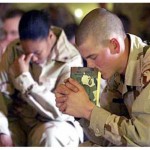 In the last few months I have written about characteristics and effects of PTSD. Some of the information came from years of living with someone with PTSD. Some of it came from over a decade of research. And, some of the information was the result of interviews carried out over the last eight years with families, vets, and civilian populations. A recent blog focused on “What I know for Sure” about this illusive, emotional oppressor and I ended with a comment from a newspaper article where an Iraq veteran stated that admitting he had served in Iraq or Afghanistan was like the plague because employers were apprehensive about hiring vets with PTSD. Reading this put me into a very philosophical guilt trip. We are trying to educate communities, veterans, families and friends about Post-Traumatic Stress Disorder. However, by no means is the information meant to make the vet look incompetent or out of control. PTSD is like any other challenge. Most of the conflict occurs within the person, and behind closed doors. For the most part, few people outside the immediate family have little if any idea of the torment and struggle going on within the individual.
While driving to Wyoming last week, I read an article in Scientific American by David Dobbs (April 2009) titled, “The Post-Traumatic Stress Trap”. The main idea of this piece centered on “a growing number of experts insist that the concept of post-traumatic stress disorder is itself disordered and that soldiers are suffering as a result” (p. 64). As I read the piece I both agreed and disagreed with what Mr. Dobbs wrote. There is no doubt that many people showing symptoms of any type of illness or disorder may be misdiagnosed, and when this occurs treatments are not only ineffective, but may even be harmful to the patient. PTSD is no exception. Just diagnosing, it can be tricky because its symptoms can mask other ailments such as depression, memory problems, and traumatic brain injuries. A helpful statement by Mr. Dobbs reminded the reader that for many vets returning from combat, normal readjustment may take months and even a few years to get back to regular existence. “Seeing most post-combat distress not as a disorder but as part of normal, if not painful, healing” (p. 68), may take some of the stigma away from the trauma of combat.
All of that is fine. Yet, as a researcher, I also know that for those who are misdiagnosed, many may never be identified due to lack of nearby medical facilities or lack of awareness. The last point Mr. Dobbs made, and I believe it is legitimate, refers to revising the rubric for more accurately diagnosing of PTSD. At any rate, the real challenge continues to be accurate identification of PTSD, effective treatment options, and correct information to increase awareness. PTSD is far more than a mere “adjustment” problem. The sufferer and the family need immediate and appropriate interventions if restorative health is to be obtained. As a nation, we have our work cut out for us, because a nation that forgets it warriors, fails its moral and humanitarian obligations to restore to physical and emotional health those it sends into battle. We must always take action; we must always remember that “If we send them, we must mend them”.