BOOK PURCHASE: Discount (above) or PayPal (below)
Click "Buy Now" to continue to PayPal
Click to order eBook - Kindle

Click to order eBook - Nook

Nov
27
TRAUMA AND FIRST RESPONDERS
Filed Under Courage, Events, First Responders, Healing, Life, PTS, PTSD, Service Dogs, Stress, Tears of a Warrior, Trauma | Comments Off on TRAUMA AND FIRST RESPONDERS


By Janet J. Seahorn, Ph.D.
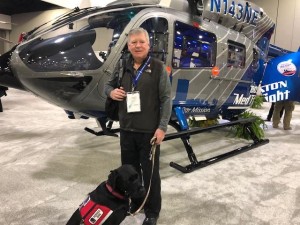
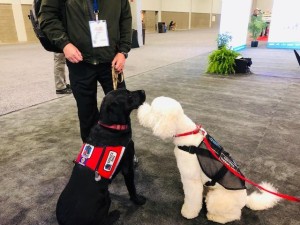
Two weeks ago Tony, Trooper, and I had the honor of being part of the annual Air Medical Transport Conference (AMTC) in Atlanta, Georgia. This conference was attended by pilots, flight crews, physicians, nurses and first responders from all over the world. The convention was filled with individuals who have given and continue to give much of their lives to saving and helping others. Many have served in the military, and many have been overseas in combat zones. To say they are an inspiration to our communities is an understatement. We were able to meet and talk with several individuals who shared their stories with such humility and purpose dedication. Like our military, these first responders serve their communities with courage and tenacity. They are with others at the most traumatic time of life. They comfort, attend to injuries, and all too many times are the last person a victim sees at the time of death.
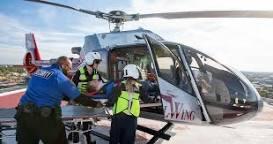
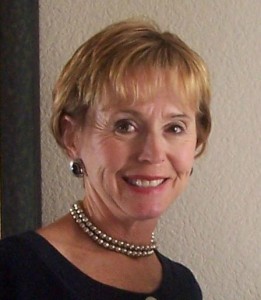
I was asked to be the keynote speaker for this amazing group. Of course, my presentation was on trauma and how it affects both our minds, bodies, and spirits. It was the first time a keynote speaker at this event was requested to speak on the topic of trauma and Post-Traumatic Stress (PTS). As in countless organizations, Post-Traumatic Stress is often the elephant in the room that most don’t want to discuss and sometimes even acknowledge. Its presence is seen and felt, yet, little is done to heal and attend to the many traumatic experiences our first responders deal with every day.

To say I was both incredibly nervous and honored to be the keynote is an underestimation of my concerns. I researched, practiced, and prayed for several months prior to the event hoping that the information in the keynote would make a difference to those attending.
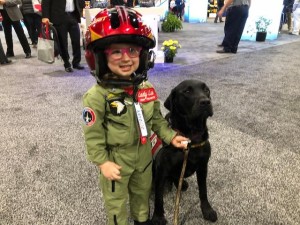
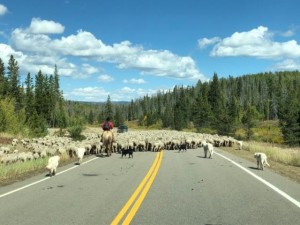
I used the analogy of a “sheepdog”. In September we were in Steamboat Springs, CO and watched a mixture of nine Border Collies, Great Pyrenees and Akbash sheepdogs meander behind their one-thousand herd/flock of sheep as they moved from summer range in the National Forest. These dogs are incredibly protective of their herd – keeping the herd together and fighting off predators at the peril of their own lives. They look so normal in their big, furry, white bodies, but make no mistake; they are ferocious in the task of watching over their sheep. Our first responders are like these sheepdogs. They protect, tend to, and put their lives at risk for their communities. The question I raised, just like with our military and veterans, who takes care of the sheepdogs?
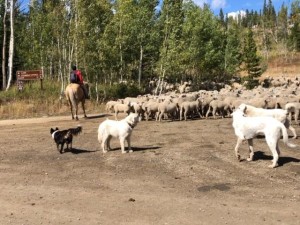
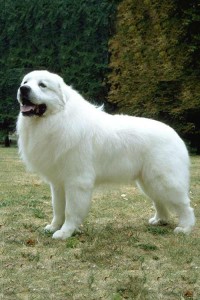
As a society, it is our duty to make sure those who take care of us are taken care of as well. They see, hear, touch, smell, and feel events that most of us will never encounter. The burdens they carry are too often only theirs and held in the silence of their minds and hearts. Like our military and veterans many believe that if they are traumatized by their experiences, they are somehow inadequate, less fearless, and not as capable of doing their jobs. This is totally inaccurate. One cannot function in a career of trauma without having some effects on his/her own well-being. In fact, this is what makes them more compassionate and effective at their jobs.
A few statistics I learned while doing my research:
- 34% of first responders have Post-Traumatic Stress;
- Barely half of first responders have had any training into how to deal with their own trauma;
- Much like our military, first responders have a much higher suicide rate than the average population;
- Female critical nurses in ICU and flight nurses are four times more likely to developed ovarian cancer than their peers;
These are just a few of the statistics that should make us all concerned and ready to share the responsibility of taking care of those who take care of us.
Just like our military and veterans – “If we send them, then we MUST mend them.”
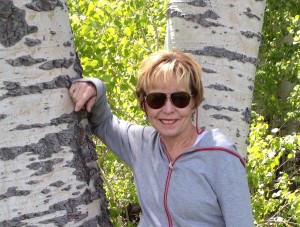
KEYNOTE SPEAKER:
Janet J. Seahorn, Ph.D.

Dr. Seahorn has been a classroom teacher and administrator for forty years. She has taught as an adjunct professor for Colorado State University and several universities in the Denver area. For the last ten years she has been teaching a class on Neuroscience and Learning at Colorado State University. Jan has a BA in English/Elementary Ed., an endorsement/license in middle school education and administration, a MA in Gifted and Talented, and a Ph.D. in Human Development and Organizational Systems. Her background includes an in-depth understanding of neuroscience research and effective instructional practices, organizational systems and change. She conducts numerous workshops on the Neuroscience of Learning & Memory Systems and the effects of “at-risk” stress environments on brain development.

Dr. Seahorn co-authored the award-winning book with her husband, Tears of a Warrior: A Family’s Story of Combat and Living With PTSD. The theme focus is on trauma and how it can impact the brain, body, and emotional development of an individual. Much of the research focused on Post-Traumatic Stress (PTS) and understanding how to identify and work with first responders and veterans who have experienced trauma and associated stress. She and her husband Tony work extensively with military personnel, veterans, first responders and families on how trauma impacts the brain. She also works with schools and communities on how trauma experienced in childhood through abuse, neglect, and other environmental conditions impact learning and behavior.
She has written two other books, When Crap Happens Grow Zucchini: A Book on How to Live with Dying and Appreciate the Crap
Foul Wisdom: Identifying the Turkeys and Eagles in your Organization and Life
A third illustrated book on her PTSD poem, Silent Scream, is currently in production.
Dr. Seahorn’s TED Talk on post-traumatic stress can be viewed on You tube: https://www.youtube.com/watch?v=BEHDQeIRTgs&feature=youtu.be
Janet and Tony have two adult sons, Chad and Christopher who enjoy living and working in the Rocky Mountain Region. Tony & Janet share their home with two Black Labradors, Trooper – a certified service dog, and Brody, a puppy being trained as a therapy dog to work in children’s court systems, hospitals, and schools. The family enjoys travel and outdoor activities: history, geography, hiking, fly-fishing, rafting, snow skiing and anything that puts them in touch with nature. Janet also volunteers with several animal shelters in Colorado.
Mar
11
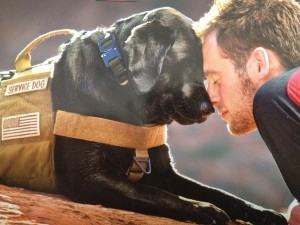
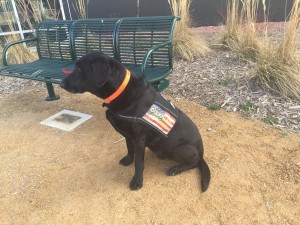
Best Friends
Filed Under Aging, American Patriotism, Combat PTSD, Dog is God, Dogs, Happiness, Healing, Military, Pets, PTSD, Service Dogs, TBI & PTSD, Tears of a Warrior, Tribute, Veterans, War, War Dogs, Wounded Warriors | Comments Off on Best Friends
Guest Blog by John DiCiacco

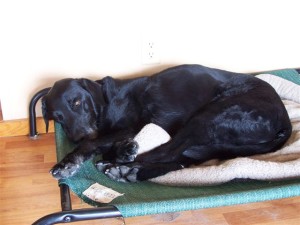
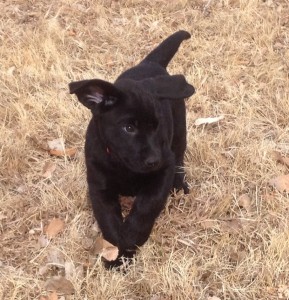
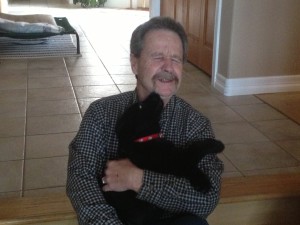
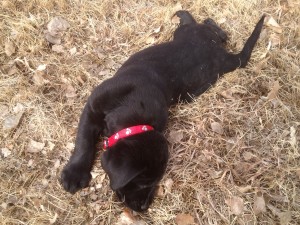
![41Q+ek-yDrL[1]](http://www.tearsofawarrior.com/wp-content/uploads/2018/03/41Qek-yDrL1-1-230x300.jpg)
Oct
7
WARRIOR DEDICATION
Filed Under Brain Injury, Combat PTSD, PTSD treatment, TBI & PTSD, Tears of a Warrior | Comments Off on WARRIOR DEDICATION
by Janet J. Seahorn, Ph.D

Here is a question to think about…how many of you would take your entire retirement in one lump sum and then put it into a facility that would serve as a place of support, safety, and relaxation for our country’s vets?
This special place would require quite a bit of work. You would need to paint the walls, put in new furniture that would be comfortable and calming, and develop programs that would facilitate a wounded warrior’s emotional and physical well-being.
Such a facility would need quiet places where an individual could find the best environment to heal. For instance, one room would serve as a large conference room for presentations and discussions. Another would be a smaller area with a number of large reclining couches as well as chair recliners. My favorite happens to be a room with three oversized, state of the art massage recliners.
Each of the two “relaxation” rooms is equipped with head phones to listen to select music of choice under dim lighting. Small water fountains provide a sense of a quiet, flowing river. A large screen TV scrolls messages of hope and inspiration. Every detail was thoughtfully conceived to provide a special place of peace.
And here is the amazing thing, the person who has formed this sanctuary does not charge one cent for a veteran or family member. The Warrior Relaxation Response Center is located on the south side of Colorado Springs, CO, close to Fort Carson military base. It has been open barely a year. To continue to provide these services, the owner, Antoine Johnson, is desperately trying to obtain grants from various organizations as well as the army’s military base.
With a challenging economy, this will be no easy task. As Antoine tells it, “It is a true leap of faith”. He explains that he simply loves the military men and women who served our country. He and his wife spent many years in the army, fought in Desert Storm, and then became teachers. Working with traumatized children became his specialty. Many of the children came from military families torn apart by combat deployments, with parents returning with TBI and PTSD. Antoine saw a calling to help those returning from war to achieve a more stable and balanced life.

Last Thursday we were invited to visit the center and speak to some of the veterans and their families. Young and old were present, each with a story of trauma The flashbacks, the lack of understanding from family and friends who have not had to endure war, the numbing of the senses just to get through the day, and the sometimes overwhelming anxiety of not knowing when the next emotional attack will occur.
Throughout our country there will be an even greater need for more centers like the Warrior Relaxation Response Center A place where an individual can visit to simply be alone and find some solace. A place where he/she will not be judged, asked questions, or encouraged to just get on with living. Sometimes, as Antoine understands, a warrior simply needs a quiet space. Healing takes time, often a lifetime.
For those who want to contribute to support this mission or learn more about the facility please contact Antoine Johnson: http://www.warriorrrc.com
Feb
2
A HUMBLED JOY
Filed Under American Patriotism, Civilian life, Combat PTSD, Family, Life, Love, PTSD treatment, Tears of a Warrior, Treating PTSD, War | Comments Off on A HUMBLED JOY
by Janet J. Seahorn, Ph.D
They stood before us, this beautiful, young couple. He had just returned home from a tour in Afghanistan, his second time away. They had many things they could have done that would have been much more fun than taking time to visit with us.
She was a student in my fall semester course at the University. At the beginning of the new semester she let me know her husband would be returning home soon and she wanted Tony and me to meet him. Just the request was a humbled joy. Actually meeting them on that cool winter day even meant more.
During our short time together, we did not talk much about his experiences at war except to listen to a few short phrases indicating he had been in some difficult situations.
I didn’t mention that his wife had to take an “Incomplete” for the college course because she became seriously ill and spent several days in the hospital. Somehow, all of this was now unimportant. The only thing we noticed was how the two people standing before us just couldn’t stop smiling and giggling continually as they held hands, grateful to finally be together.
My goodness, this was truly the picture of humbled joy.
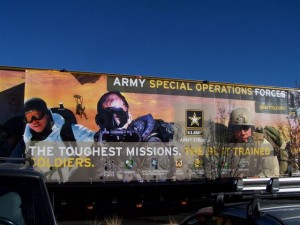
That same day we spoke with an army Special Forces warrant officer who was helping to show students on campus the various skills and equipment used in the military. The young man explained that he had been in the army for sixteen years, joining-up right after high school. Honestly, he didn’t look like he was that old; he smiled widely when I shared my observation with him.
He talked about how joining the military at age seventeen was the best thing he has ever done. The army, he noted, gave him direction, guidance, and supported his development as a confident adult. The interesting detail about our conversation was how much I learned in a short time about his confidence as career military person.
At the beginning of our chat I asked how many times he had been overseas; five – six times if you counted a stint in Romania. The duration of each tour was between three and eight months depending on the mission. During several of his assignments he experienced the reality of war, including several casualties within his unit.
Yet, in spite of the stress, he seemed to be coping with the emotional and physical side effects of combat pretty well. It was challenging, he noted, to reintegrate into “normal” life on each return home, but the army gave him plenty of support and time to decompress.
He pointed out that on several occasions he was given a lengthy mental survey of over 115 items which sometimes highlighted his PTSD tendencies. Nevertheless, because he was career army, his adjustment process appeared to be faster and more comprehensive than veterans who left the service shortly after returning from battle. There does seem to be some significant benefits for the men/women who are in the military long term.
Perhaps being in a community of individuals who have experienced similar battle conditions helps the healing and understanding process. Being around other soldiers who can identify with the pain of combat; others who quietly appreciate the sacrifice of serving our country may lessen the feelings of emotional trauma of being alone in a world where most people haven’t experienced war. This, by itself, would be an immense relief because one wouldn’t have to pretend everything is OK when it isn’t. You wouldn’t have to go through each day feeling lost and alone because there would be a band of brothers surrounding you with knowledgeable support. At any rate, this young soldier certainly gave me some things to think about.
Humbled Joy, invisible, yet real. Thank you.
Oct
20
PTSD Suffering & Control
Filed Under PTSD, Trauma, Treating PTSD | 1 Comment
By Janet J. Seahorn
This may be one of the most important blogs that I have written. Important because we are quickly becoming a people who, due to the recent attention on Post Traumatic Stress, are beginning to lump into the same basket all vets who return from conflict challenged by PTSD.
This is a major dilemma. It is vital that we as a nation, as communities, and as families start to have a more accurate description of the effects of combat trauma. Important because without correct information, we cannot help to mend the minds, hearts, and souls of those who suffer.
For that reason, solid facts through research on PTSD lead to better care. The problem, however, occurs when the media focuses only on those individuals who behave in extreme ways. Ways that make news casts, papers, and internet reading more exciting.
For the vast majority of veterans who return from combat tormented by the memories of war, the battle is within and remains there, silently distressing the individual.
But here is what is key to remember; the majority of vets are not personally or professional “out of control”. In fact, they spend a tremendous amount of time and energy trying to remain in control. For many, the periods of distress are when the person is alone, safe within the confines of house and home, or experiencing a severe physical or family crisis.
For most, the only people who see the anxiety and panic are not the outside world, but rather those within the vet’s inner-most circles: spouses, children, siblings, parents, and very close friends.
There are already many young (and some older vets) who are refusing to acknowledge they have a problem, or seek medical interventions even when they realize they need it. And why would they? Fearing they will be labeled and thrown into that “media basket” of dysfunction, they prefer to maintain a mask of silence. This isn’t acceptable, nor is it effective in mending the situation.
Yes, PTSD is a reality for many in our world, not just combat vets. For sure, it is a challenge like any “reordering” of the mind and body. Yet, most individuals move forward to live productive, successful lives. And if the individual gets appropriate medical and professional attention, that life and those who are closest to him/her, the living becomes immensely easier.
So let’s begin to write and tell stories of these quiet, courageous men and women. Stories of heroes and heroines who survive and manage to prosper in many areas of their lives; appreciating the fact that to be a hero requires an extraordinary act of bravery within an ordinary human spirit.
Sep
16
The Strength of One
Filed Under Civilian life, PTSD treatment | 6 Comments
-by Janet Seahorn
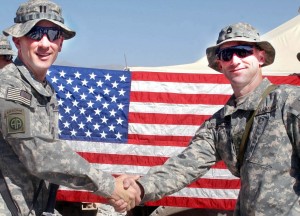
It had been several months since I last saw him. The end of last semester during finals to be exact. He had been a student in one of my university classes. He was a big, strapping, young man who almost always had a smile on his face and some funny comments to amuse his table mates.
Before that semester began, I knew that several of my new students were National Guard or had served in the military; he was among them. On one occasion, he told me that he had been on active duty and had just returned from a tour in a war zone. Iraq one day, and the next day he was signed up and attending classes at the university. No transition time whatsoever. Yet, he seemed to take it all in stride. He even joined a fraternity.
A few times I had spoken with him about some of his experiences and asked if he knew anything about Post Traumatic Stress. Without much dialogue he nodded and mentioned that he had some symptoms but he was coping quite well. And by all outward appearance and on most days he was fine. Only a few times did I recognize the demons had visited him, but thankfully, they didn’t seem to stay very long.
The semester wore on without much concern until the last month when he was absent a few times – until then he attended every class and only missed on rare occasions. One absence occurred the first day of class. He had e-mailed me ahead of time to let me know he would be missing that session because he was attending the funeral of one of his best friends. Only later did I learn the funeral was a young marine who had been in our local papers and had recently died in Iraq.
The marine had been a close high school friend. They had been star players on their football team, shared Saturday night outings built on a foundation of boyhood friendship.
After our “catch-up” talk, he mentioned that the summer had been tough. He had an accident which broke some bones in his ankle. He could not participate in all of the fun activities that had anticipated during the school year. Given the pain and the down time of recuperation, the memories resurfaced; the trauma of his tour of duty in Iraq, what he saw and had to cope with, the decisions he had to make on a daily basis – returned to haunt him.
Typical of his strong personality, he downplayed most of the symptoms. Yet, this is an intelligent young man. He did not dismiss the symptoms and stated that he was getting help for his PTSD. Just knowing this put my mind at ease. I could only imagine what courage it took to take this step. Hopefully, other vets who know him will follow his example. He will get better – faster, in a healthier manner.
Just a side note: I no longer choose to call this a “disorder”. It seems to me the more I learn and understand this phenomenon, the more I believe that PTS(D) is the minds/body’s incredibly creative way to deal with an unusually horrendous life event.
Had the mind not employed the immediate reaction of numbing and stuffing the event, the person may have died. To avoid the ultimate death sentence, the mind/brain made a split second decision to unconsciously remove itself from the trauma until a later time; a time when the body was safe to explore the event without being in the line of fire.
Pretty amazing and effective when you think about it. If the brain wasn’t such a protective, innovative problem solver many of us would not be around today. Yea, for our amazing brain. Maybe it is not “disordered” at all, just creatively restructured for a bit.
In a few weeks I will attend a conference on Traumatic Brain Injury (TBIs). Of course I will be writing about this experience and sharing some of the information with our blog readers. Stay tuned.
Aug
12
Wilderness and Healing PTSD
Filed Under Treating PTSD | 3 Comments
 They come at the most unexpected times; the demons, depression, sadness, anxiety… It is the uncertainty of the unwanted feelings, the never knowing for sure when or where they might appear that makes Post-traumatic Stress such a challenge to manage.
Modern civilization, with all of its new technologies, now has more clever and massive means to torture and kill. And our conscious and unconscious psyche knows and understands this fact. So why in the heck would someone with PTSD feel secure and at ease in a large city, a crowded mall, or a traffic-filled highway?
Many times it is these modern places that exacerbate PTSD symptoms. Finding a place of safety to escape and heal may be to retreat to the wilderness. A place where Mother Nature opens her soft arms to surround us with peace, soothe our torn nerves, and comfort us with gurgling mountain streams, meadows splashed with abundant colors, greens so bright that they almost appear painted. Soft breezes and tiny birds sing a lullaby so sweet that we almost weep with gratitude. Compassionate, wilderness spirits seem to enfold our entire bodies and minds with their loving presence.
This summer we have been fortunate to spend a great deal of time in the mountains: camping, fishing, hiking, floating rivers. Each experience reinforced what we have always known – wilderness places heal.
There is a healing that takes place in the wilderness. Where hatred, greed, and meaningless violence cease to exist. When we are surrounded by wilderness our senses open up to drink in the sights, sounds, smells, tastes, and textures that quiet our minds, hearts, and tattered spirits.
Nature allows us to relax, to rejuvenate. It is why we are blessed to visit each special, wild place. We are privileged to experience natural environments and acknowledge the value of these common places becoming our sacred, healing grounds.
Please send us stories of your wilderness, healing places. We would enjoy hearing from you.
Mar
6
Healing Takes Courage
Filed Under Treating PTSD | Comments Off on Healing Takes Courage
 Its been almost two weeks since I last wrote a blog. We had to cancel Tony’s last EMDR session and reschedule for Monday, March 2nd. He is struggling trying to understand exactly what EMDR is supposed to do for him. He wants to analyze everything in concrete terms. That would be fine if PTSD were a concrete, cogntive issue. It is not. Trauma doesn’t first happen in the brain/mind. It happens in the sense cells of the body. These sense cells then rely the information to the brain for interpretation, and the brain determines if the stimulus from the cells is worthy of response ranging from being safe to a dangerous situation that would require the body to fight, flee, or just freeze from fear.
At the beginning of the session, Shelly, Tony’s therapist, takes him back to the first few days of being in Vietnam. When a military person is told where his/her assignment will be, there is no discussion. No bargaining saying, hey, I don’t want to go to that place because that is where most of the fighting and deaths occur. You can’t stand up and yell, “Hell no, I won’t go!” You are slowly being pushed into the decision that has been made for you by a stranger. You come to an acceptance of the situation – a realization that what is… is. Mission first. The job now is to stuff the feelings… fear, excitement, apprenhension. Shelly keeps gentle urging Tony to focus on the feelings. She is trying to getting his body to process the gaps between the mind and the body. I must say, that watching this session made me understand how much easier it is to stay in the head instead of the feeling in the body. The pain is real. Why would anyone want to go back to hell — except that only by going back will the body heal and the mind mend.
I am still being surprised at what I thought I knew but didn’t and what I never even considered as a potential problem. Yes, the whole experience of war gets dumped into the same memory box, wrapped up tightly and sealed away somewhere in the mind and body. Holy Smokes, healing combat trauma is like having to undergo an emotional chemo to survive. Just as chemo changes the cells of the body to fight against cancer cells, therapy to heal PTSD changes the cells in the mind/brain to recreate the sense cells of the body to heal from the damage of trauma.