BOOK PURCHASE: Discount (above) or PayPal (below)
Click "Buy Now" to continue to PayPal
Click to order eBook - Kindle

Click to order eBook - Nook

Nov
7
5 Reason Why Veterans Need To Be Fishing
Filed Under Brain Injury, Combat PTSD, Dogs, Fishing Therapy, Military, Nature, PTSD, Service Dogs, Tears, Tears of a Warrior | Comments Off on 5 Reason Why Veterans Need To Be Fishing
Guest Blog by Jon Sutton
Author: Travis Pike
Veterans are a unique group of people who face a variety of unique challenges in their lives. As unique as veterans maybe they do share the ability to benefit from an activity as old as civilization. We call it fishing. Here are 5 reasons why Veterans need to get out there and fish more.
Getting Outside
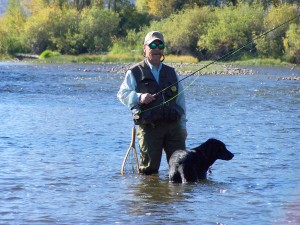
Something as simple as getting outside and in nature can be a major benefit to your psyche and even your body. Getting outside doesn’t just mean walking out of your home, it means actually getting out in nature.
First, you get better air in the countryside than the city. There is no smoke, smog, or ground level ozone to worry about. As a veteran, you may have been exposed to harsh chemicals, and of course burn pits. Fresh air can help reduce the symptoms of most chronic respiratory illnesses.
You’ll also get a healthy dose of sunshine. Sunshine provides you with a blast of vitamin D, a vitamin associated with bone health. The average adult is likely vitamin D deficient, something I learned from my VA Doctor. A little sunshine can go a long way to long lasting health. That being said, don’t forget the sunscreen, you know what they say about too much of a good thing.
Getting Physical
PT it’s good for you and good for me. With almost 80% of the veteran population being obese a little PT can likely go a long way. Most people may think of fishing as sitting in a chair and drinking a beer, but they’d be wrong. There is a big difference in fishing and getting buzzed in a boat.

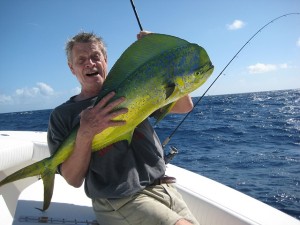
When you’re fishing you can be involved in any number of strenuous activities, including wading through water, paddling a kayak, and or hiking to a premier fishing location. That’s just to get to you to where you start fishing, from there you start working the shoulder and arms by casting over and over.
Plus, once you get a fish the cardiovascular activity starts as you fight that big boy to the boat or the shore. Watch any fishermen catch a keeper, and look how he sweats and struggles. It may not be as bad a Platoon Sergeant Death Run at 5 a.m. but it’ll get you huffing and puffing.

Relax a Little
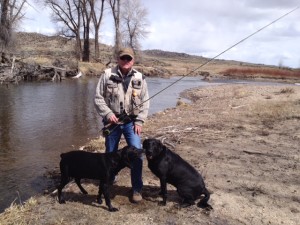
Ah, greeting the great outdoors with a fishing pole in one hand a tackle box in the other is an amazing way to relax. Veterans on average face the stress of everyday life, and with a high percentage of veterans facing stress, depression, and anxiety the ability to relax is sacred. Heck, just talking on the phone with the VA is enough to drive you mad.
Fishing has shown to reduce cortisol, a hormone associated with stress by over 30% for up to a month. A study by the University of Maine showed fishing reduced anxiety, stress, fear, and guilt by a substantial amount for up to 3 weeks in combat veterans.
On top of everything fishing reduces, time in the sunshine has proven to release a chemical known as serotonin. The theory is that serotonin improves moods and triggers happy thoughts.
Keeps You Sharp
Young veterans face higher rates of TBI than the average population, which can result in reduced levels of cognitive ability. Let’s not forget that the Vietnam generation has reached an advanced age and with age often comes reduced cognitive function.
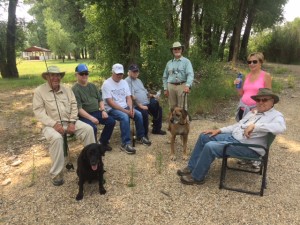
Fishing provides stimulation to the brain that engages a wide variety of different senses and forces fishers to use reasoning, and make logical assumptions. Fishing also boosts self-esteem and confidence.

Cause Fish are Delicious
Everyone loves good food, that’s true. This may not be specific to veterans because fish is delicious. Fish is also packed with protein and is low in calories and cholesterol. It’s also full of healthy fats, like Omega 3 acids that help with joint health. Any infantry veteran will tell you their joints suck, so they need all the help they can get.

Jul
12
CHASE’S MEADOW
Filed Under Aging, Dogs, Family, Fishing Therapy, Healing Waters, Journey, Life, Love, Peace, Pets, PTSD, Service Dogs, Tears of a Warrior, Tears of Joy, Veterans | Comments Off on CHASE’S MEADOW
by Tony & Janet Seahorn

The human heart and mind are amazing in their capacity to experience intense sadness and abundant gratitude at the same time. That lump in the throat is still there as are the tears that cloud my eyes. Yet, the weight of the death of our wonderful Chase seems to be a bit lighter.
Earlier this week, we visited Chase’s most beloved mountain meadow, high on the Snowy Range in southern Wyoming. It is a beautiful, alpine meadow filled with wild flowers and a running brook. This is the place we chose to spread his ashes and place a stone memorial on a wooded ridge overlooking the peaceful valley below.
We promised to make this journey after the early summer snow melt and before the wildflowers were in full bloom.
His very essence now glides in the winds and rolls gently with the flowing water. White and yellow flowers line his final path. He is at peace, as are we. And younger brother Bailey still romps through the brightly colored grasses chasing after his cherished tennis ball – a reminder that joy is always present around and within our souls.
As we paid our final respects it seemed as if Chase was giving us his final message:

I am now in my meadow; my ashes white as angels’ wings float with the Wind and flow through the mountain streams to places I never ran in life.
Peace and beauty will always surround me with a green and white and purple blanket of sweet columbines.
This is where I was finally meant to be.
Therefore, honor me not with tears of sadness, but with hearts of joyfulness.
Remember me with stories and laughter.
And most of all know that as much as you loved me I loved you even more.


Black Forest Chase
April 23, 1999 – January 4, 2013

Oct
7
WARRIOR DEDICATION
Filed Under Brain Injury, Combat PTSD, PTSD treatment, TBI & PTSD, Tears of a Warrior | Comments Off on WARRIOR DEDICATION
by Janet J. Seahorn, Ph.D

Here is a question to think about…how many of you would take your entire retirement in one lump sum and then put it into a facility that would serve as a place of support, safety, and relaxation for our country’s vets?
This special place would require quite a bit of work. You would need to paint the walls, put in new furniture that would be comfortable and calming, and develop programs that would facilitate a wounded warrior’s emotional and physical well-being.
Such a facility would need quiet places where an individual could find the best environment to heal. For instance, one room would serve as a large conference room for presentations and discussions. Another would be a smaller area with a number of large reclining couches as well as chair recliners. My favorite happens to be a room with three oversized, state of the art massage recliners.
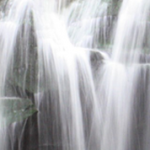
Each of the two “relaxation” rooms is equipped with head phones to listen to select music of choice under dim lighting. Small water fountains provide a sense of a quiet, flowing river. A large screen TV scrolls messages of hope and inspiration. Every detail was thoughtfully conceived to provide a special place of peace.
And here is the amazing thing, the person who has formed this sanctuary does not charge one cent for a veteran or family member. The Warrior Relaxation Response Center is located on the south side of Colorado Springs, CO, close to Fort Carson military base. It has been open barely a year. To continue to provide these services, the owner, Antoine Johnson, is desperately trying to obtain grants from various organizations as well as the army’s military base.
With a challenging economy, this will be no easy task. As Antoine tells it, “It is a true leap of faith”. He explains that he simply loves the military men and women who served our country. He and his wife spent many years in the army, fought in Desert Storm, and then became teachers. Working with traumatized children became his specialty. Many of the children came from military families torn apart by combat deployments, with parents returning with TBI and PTSD. Antoine saw a calling to help those returning from war to achieve a more stable and balanced life.

Last Thursday we were invited to visit the center and speak to some of the veterans and their families. Young and old were present, each with a story of trauma The flashbacks, the lack of understanding from family and friends who have not had to endure war, the numbing of the senses just to get through the day, and the sometimes overwhelming anxiety of not knowing when the next emotional attack will occur.
Throughout our country there will be an even greater need for more centers like the Warrior Relaxation Response Center A place where an individual can visit to simply be alone and find some solace. A place where he/she will not be judged, asked questions, or encouraged to just get on with living. Sometimes, as Antoine understands, a warrior simply needs a quiet space. Healing takes time, often a lifetime.
For those who want to contribute to support this mission or learn more about the facility please contact Antoine Johnson: http://www.warriorrrc.com
Aug
12
Wilderness and Healing PTSD
Filed Under Treating PTSD | 3 Comments
 They come at the most unexpected times; the demons, depression, sadness, anxiety… It is the uncertainty of the unwanted feelings, the never knowing for sure when or where they might appear that makes Post-traumatic Stress such a challenge to manage.
Modern civilization, with all of its new technologies, now has more clever and massive means to torture and kill. And our conscious and unconscious psyche knows and understands this fact. So why in the heck would someone with PTSD feel secure and at ease in a large city, a crowded mall, or a traffic-filled highway?
Many times it is these modern places that exacerbate PTSD symptoms. Finding a place of safety to escape and heal may be to retreat to the wilderness. A place where Mother Nature opens her soft arms to surround us with peace, soothe our torn nerves, and comfort us with gurgling mountain streams, meadows splashed with abundant colors, greens so bright that they almost appear painted. Soft breezes and tiny birds sing a lullaby so sweet that we almost weep with gratitude. Compassionate, wilderness spirits seem to enfold our entire bodies and minds with their loving presence.
This summer we have been fortunate to spend a great deal of time in the mountains: camping, fishing, hiking, floating rivers. Each experience reinforced what we have always known – wilderness places heal.
There is a healing that takes place in the wilderness. Where hatred, greed, and meaningless violence cease to exist. When we are surrounded by wilderness our senses open up to drink in the sights, sounds, smells, tastes, and textures that quiet our minds, hearts, and tattered spirits.
Nature allows us to relax, to rejuvenate. It is why we are blessed to visit each special, wild place. We are privileged to experience natural environments and acknowledge the value of these common places becoming our sacred, healing grounds.
Please send us stories of your wilderness, healing places. We would enjoy hearing from you.
Mar
6
Healing Takes Courage
Filed Under Treating PTSD | Comments Off on Healing Takes Courage
 Its been almost two weeks since I last wrote a blog. We had to cancel Tony’s last EMDR session and reschedule for Monday, March 2nd. He is struggling trying to understand exactly what EMDR is supposed to do for him. He wants to analyze everything in concrete terms. That would be fine if PTSD were a concrete, cogntive issue. It is not. Trauma doesn’t first happen in the brain/mind. It happens in the sense cells of the body. These sense cells then rely the information to the brain for interpretation, and the brain determines if the stimulus from the cells is worthy of response ranging from being safe to a dangerous situation that would require the body to fight, flee, or just freeze from fear.
At the beginning of the session, Shelly, Tony’s therapist, takes him back to the first few days of being in Vietnam. When a military person is told where his/her assignment will be, there is no discussion. No bargaining saying, hey, I don’t want to go to that place because that is where most of the fighting and deaths occur. You can’t stand up and yell, “Hell no, I won’t go!” You are slowly being pushed into the decision that has been made for you by a stranger. You come to an acceptance of the situation – a realization that what is… is. Mission first. The job now is to stuff the feelings… fear, excitement, apprenhension. Shelly keeps gentle urging Tony to focus on the feelings. She is trying to getting his body to process the gaps between the mind and the body. I must say, that watching this session made me understand how much easier it is to stay in the head instead of the feeling in the body. The pain is real. Why would anyone want to go back to hell — except that only by going back will the body heal and the mind mend.
I am still being surprised at what I thought I knew but didn’t and what I never even considered as a potential problem. Yes, the whole experience of war gets dumped into the same memory box, wrapped up tightly and sealed away somewhere in the mind and body. Holy Smokes, healing combat trauma is like having to undergo an emotional chemo to survive. Just as chemo changes the cells of the body to fight against cancer cells, therapy to heal PTSD changes the cells in the mind/brain to recreate the sense cells of the body to heal from the damage of trauma.