BOOK PURCHASE: Discount (above) or PayPal (below)
Click "Buy Now" to continue to PayPal
Click to order eBook - Kindle

Click to order eBook - Nook

Nov
27
TRAUMA AND FIRST RESPONDERS
Filed Under Courage, Events, First Responders, Healing, Life, PTS, PTSD, Service Dogs, Stress, Tears of a Warrior, Trauma | Comments Off on TRAUMA AND FIRST RESPONDERS


By Janet J. Seahorn, Ph.D.
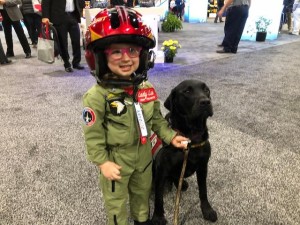
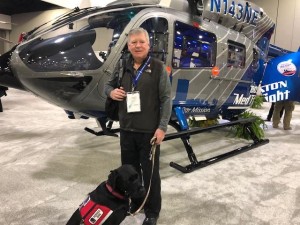
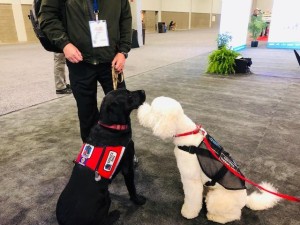
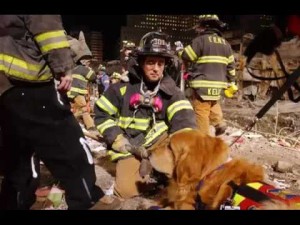
Two weeks ago Tony, Trooper, and I had the honor of being part of the annual Air Medical Transport Conference (AMTC) in Atlanta, Georgia. This conference was attended by pilots, flight crews, physicians, nurses and first responders from all over the world. The convention was filled with individuals who have given and continue to give much of their lives to saving and helping others. Many have served in the military, and many have been overseas in combat zones. To say they are an inspiration to our communities is an understatement. We were able to meet and talk with several individuals who shared their stories with such humility and purpose dedication. Like our military, these first responders serve their communities with courage and tenacity. They are with others at the most traumatic time of life. They comfort, attend to injuries, and all too many times are the last person a victim sees at the time of death.
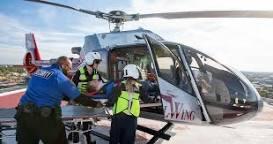
I was asked to be the keynote speaker for this amazing group. Of course, my presentation was on trauma and how it affects both our minds, bodies, and spirits. It was the first time a keynote speaker at this event was requested to speak on the topic of trauma and Post-Traumatic Stress (PTS). As in countless organizations, Post-Traumatic Stress is often the elephant in the room that most don’t want to discuss and sometimes even acknowledge. Its presence is seen and felt, yet, little is done to heal and attend to the many traumatic experiences our first responders deal with every day.

To say I was both incredibly nervous and honored to be the keynote is an underestimation of my concerns. I researched, practiced, and prayed for several months prior to the event hoping that the information in the keynote would make a difference to those attending.
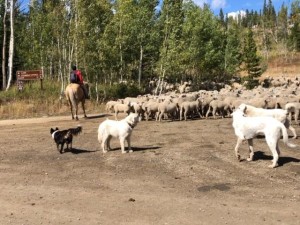
I used the analogy of a “sheepdog”. In September we were in Steamboat Springs, CO and watched a mixture of nine Border Collies, Great Pyrenees and Akbash sheepdogs meander behind their one-thousand herd/flock of sheep as they moved from summer range in the National Forest. These dogs are incredibly protective of their herd – keeping the herd together and fighting off predators at the peril of their own lives. They look so normal in their big, furry, white bodies, but make no mistake; they are ferocious in the task of watching over their sheep. Our first responders are like these sheepdogs. They protect, tend to, and put their lives at risk for their communities. The question I raised, just like with our military and veterans, who takes care of the sheepdogs?


As a society, it is our duty to make sure those who take care of us are taken care of as well. They see, hear, touch, smell, and feel events that most of us will never encounter. The burdens they carry are too often only theirs and held in the silence of their minds and hearts. Like our military and veterans many believe that if they are traumatized by their experiences, they are somehow inadequate, less fearless, and not as capable of doing their jobs. This is totally inaccurate. One cannot function in a career of trauma without having some effects on his/her own well-being. In fact, this is what makes them more compassionate and effective at their jobs.
A few statistics I learned while doing my research:
- 34% of first responders have Post-Traumatic Stress;
- Barely half of first responders have had any training into how to deal with their own trauma;
- Much like our military, first responders have a much higher suicide rate than the average population;
- Female critical nurses in ICU and flight nurses are four times more likely to developed ovarian cancer than their peers;
These are just a few of the statistics that should make us all concerned and ready to share the responsibility of taking care of those who take care of us.
Just like our military and veterans – “If we send them, then we MUST mend them.”

KEYNOTE SPEAKER:
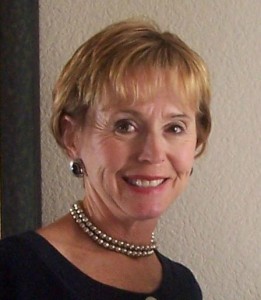
Janet J. Seahorn, Ph.D.

Dr. Seahorn has been a classroom teacher and administrator for forty years. She has taught as an adjunct professor for Colorado State University and several universities in the Denver area. For the last ten years she has been teaching a class on Neuroscience and Learning at Colorado State University. Jan has a BA in English/Elementary Ed., an endorsement/license in middle school education and administration, a MA in Gifted and Talented, and a Ph.D. in Human Development and Organizational Systems. Her background includes an in-depth understanding of neuroscience research and effective instructional practices, organizational systems and change. She conducts numerous workshops on the Neuroscience of Learning & Memory Systems and the effects of “at-risk” stress environments on brain development.

Dr. Seahorn co-authored the award-winning book with her husband, Tears of a Warrior: A Family’s Story of Combat and Living With PTSD. The theme focus is on trauma and how it can impact the brain, body, and emotional development of an individual. Much of the research focused on Post-Traumatic Stress (PTS) and understanding how to identify and work with first responders and veterans who have experienced trauma and associated stress. She and her husband Tony work extensively with military personnel, veterans, first responders and families on how trauma impacts the brain. She also works with schools and communities on how trauma experienced in childhood through abuse, neglect, and other environmental conditions impact learning and behavior.
She has written two other books, When Crap Happens Grow Zucchini: A Book on How to Live with Dying and Appreciate the Crap
Foul Wisdom: Identifying the Turkeys and Eagles in your Organization and Life
A third illustrated book on her PTSD poem, Silent Scream, is currently in production.
Dr. Seahorn’s TED Talk on post-traumatic stress can be viewed on You tube: https://www.youtube.com/watch?v=BEHDQeIRTgs&feature=youtu.be
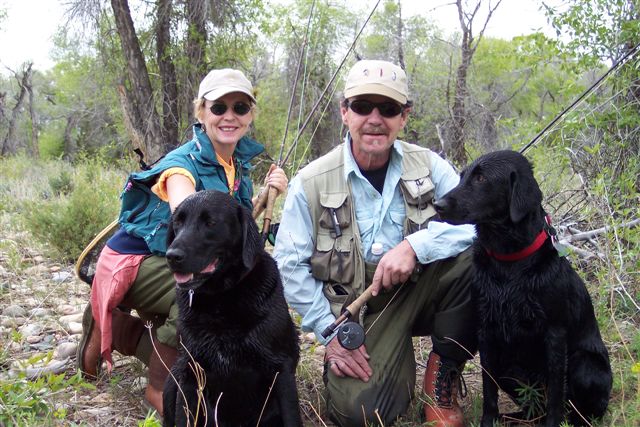
Janet and Tony have two adult sons, Chad and Christopher who enjoy living and working in the Rocky Mountain Region. Tony & Janet share their home with two Black Labradors, Trooper – a certified service dog, and Brody, a puppy being trained as a therapy dog to work in children’s court systems, hospitals, and schools. The family enjoys travel and outdoor activities: history, geography, hiking, fly-fishing, rafting, snow skiing and anything that puts them in touch with nature. Janet also volunteers with several animal shelters in Colorado.
Sep
14
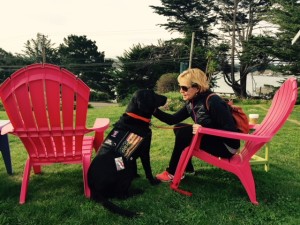
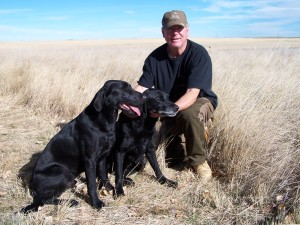
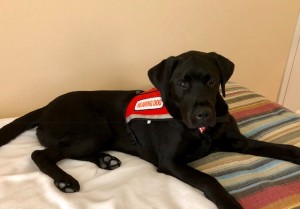
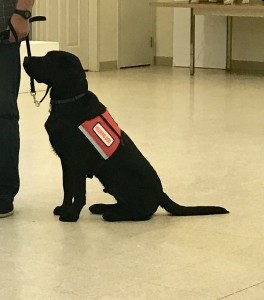
EYORE IS SMILING: WELCOMING TROOPER
Filed Under Bailey, Dog is God, Dogs, Hearing Loss, Heroes With Hearing Loss, Quilts of Valor, Service Dogs, Tears of a Warrior, Trauma, Trooper, War, War Dogs, Welcome Home | Comments Off on EYORE IS SMILING: WELCOMING TROOPER
Mar
26
Healing From The Wounds Of War
Filed Under Black Lions, Combat PTSD, Courage, Healing, Military, Pain, Peace, Return To Vietnam, Tears of a Warrior, Trauma, Veterans, Vietnam Today, War | Comments Off on Healing From The Wounds Of War
Two Quotes from Rumi:
(Rumi was a 13th-century poet of immense talent. His work highlights the power of literature in its ability to transcend time, language and geographic locations)
1) Healing doesn’t mean the damage never existed. It means the damage no longer controls our lives.
2) The wound is the place where the light enters you.

Apr
29
Courage Revealed
Filed Under American Patriotism, Bless Our Troops, Combat PTSD, Courage, Dogs, Military, Post-Traumatic Stress "Injury", PTSD, Service Dogs, Tears of a Warrior, Trauma, Veterans, War Dogs, Wounded Warriors | Comments Off on Courage Revealed
by Janet J. Seahorn, Ph.D

It is easy to see what courage looks like. We observe it in the acts of those who, in spite of intense danger or inconceivable suffering, or endless determination, an individual continues to live on. To move forward. We see it in the movies where it makes us feel safe and in control in events we know we may never survive.
But what does courage sound like? Does it reveal itself in words, in songs, in other types of media? Perhaps real courage sounds like Silence. The silence of grief that cannot be expressed in words. The silence of a heart being shattered. The silence of hidden tears and silent screams.

And what does courage feel like? It may be different for every person, yet, individually it contains some singular similarities. Our feelings, much like hearing, is silent beyond ourselves. Emotions, an element of feelings, come at anytime, day or night. It cannot be quantified, perhaps because we may not be able to find a beginning or end in its infinitesimal existence. You see, feelings go beyond emotions. They are deeper, often jumbled together with anger, love, gratitude and sadness. We feel what we feel. Attempting to put feelings into words can be exhausting, exasperating, and mostly ineffective.
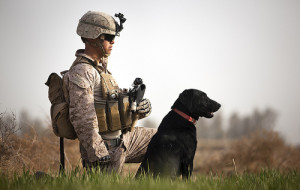
Courage, like feelings and hearing is also Silent. It is very much present. There is both a sweetness and bitterness in courage. The sweetness of living through a reality that many may never experience. The bitterness resulting from that very same experience. It is not about the “why me”, “how come”, or “what ifs” of suffering. Simply having the courage to accept the experience for what it is— an experience that changes a person from the before to the now – and beyond.

We spend too much time trying to define/identify courage. Most results are superficial at best. For if, as I believe, courage is found only in the Silence… the empty spaces between the noise and what is seen, heard, and felt. We often miss or mistakenly identify courage. Its potential seed lives in most of us, yet, it can only be germinated when or if the time presents itself. For some of you reading this piece may think, “What the heck is she rambling about?” For others, those who have lived the courage, you may only nod your head and silently say “true”.
Jan
5
Thank You!
Filed Under Bless Our Troops, Christmas, Combat PTSD, Dogs, Holiday Season, New Year, PTSD, Tears of a Warrior, Trauma, Veterans, War, Welcome Home, Wounded Warriors | Comments Off on Thank You!
WELCOME BACK!
by John DiCiacco – Guest Blog (John is a veteran & brother who helps make a difference)
I can’t speak for every person who reads your blogs, but I can and will say this, I have missed not reading them. The only thing that ever depressed me was the first paragraph in your latest blog. You always come up with something that touches someone, whether it be thought provoking or light hearted.
Your words always mean something to someone. Blogs can and should present different topics and when folks consider one to be difficult to read, then they can choose not to read it. But don’t just complain to the author, because life isn’t always a bowl of cherries.
As we all know, you can’t be everything to everyone so don’t try. But please don’t stop writing your blogs. Take it from this Veteran, I have never read a single one of your blogs that made me feel depressed. You write about reality, especially meaningful to veterans and families who suffer from the wounds of war.
I know that some times during any given month you have your own personal traumatic experiences that make life a little difficult and so you do your best to just survive. Just like the Veterans whom read your blogs. When moments arrive that you can’t seem to come up with something to talk about, I can assure you that I do. Or have a Request Button on Note asking the readers if they have something that they would like to talk about through you.
Oh, by the way, your ticket into Heaven has already been secured. Your Ancestors and Guardian Spirits have made sure of that.
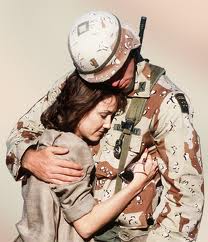
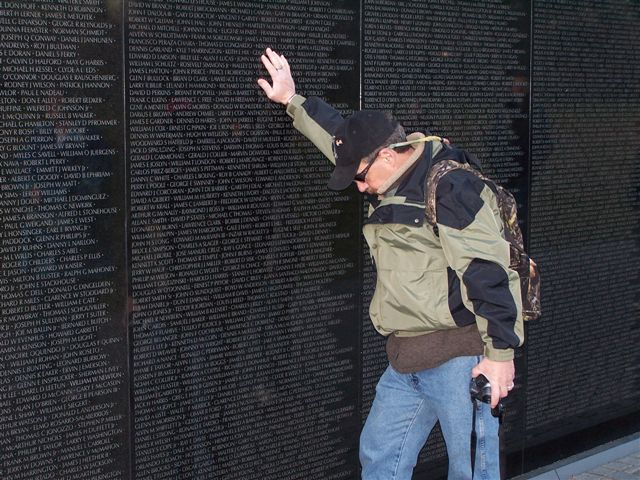
As you know, I spent two tours in the Nam and Holiday’s are still very hard for me. Too many Ghosts and way too much guilt for one man to carry. The haunting reality for many Combat Veterans is the same unhealthy thought pattern we carry and wear on our chests like a sort of Medal. That thought is this and I quote: “Why in the hell am I here and not so and so”, or “I don’t have the right to celebrate or be happy when so many of my Brothers will never be here.” Most Veteran’s never come right out and say these things but the thoughts are real and they and their fallen Comrades are there as well.
Of course, in my efforts to be jolly I would have to self medicate and numb the pain just to get through the ordeal. Afterword the Guilt followed by the shame for drinking was much worse.
I don’t know how I got on all of this but I better stop.
You can blog me anytime you want.
Jun
3
The Pain of Pain
Filed Under Healing, Injury, Knee surgery, Pain, Tears of a Warrior, Trauma | Comments Off on The Pain of Pain
by Janet J. Seahorn, Ph.D

 Golly, it is hard to believe that it has been several months since we posted a new blog. To be honest, we’ve been pretty busy with traveling, teaching, and working with veterans across the country, yet during any down time we had, I just didn’t feel like writing. Until now and even today I can’t fully admit that I’m eager to write again. But today, I simply suspect that I’m feeling a bit sorry for myself and want to at least think that by writing this blog I am doing something more useful than sitting on the couch or the toilet, lying in bed, and attempting to hobble around the house one more time.
A week ago I underwent knee replacement surgery. For the life of me I am still trying to convince myself that this was a good idea or even necessary, since even on my worst day I never felt this awful or been in such pain. Does this sound a bit like whining? To quote Bret’s famous line at the end of the movie, Gone With the Wind, “Frankly, Scarlet, I don’t give a damn!” Doctor’s never fully explain or show videos of how much fun the recovery process will be, especially, the first two weeks. If they did, I wonder how many candidates would opt for the procedure. It’s kind of like when one is going through pregnancy classes, they never show the birth movies until close to the end of the nine months. Not that it is going to change one’s mind at such a late date or would make any difference because that living football inside of you has to come out sometime, and trust me it will not be “deflated”.

During my whiney period, I got to contemplate the effects of pain on our mental and physical world. My acute pain, hopefully, is only going to last for ten days to two weeks. So many of our veterans have to endure months and even years of unbelievable hurt not knowing when or if the agony will ever go away. I think about the thousands of individuals going through horrendous procedures to combat cancer, heart disease, diabetes, and many challenging illnesses. It is this kind of pain I really can’t imagine. I can’t imagine the stamina and courage it takes to get us through each day only to face another twenty-four hours of hell. One of my sister’s had to make this cancer journey and even today she continues to be one of my heroes.
The effects of severe pain at times can take over not just the body but the mind. It is hard to remember when you felt normal; it is tricky to maintain any kind of short-term memory. Heck, I couldn’t tell you what I did fifteen minutes ago, nor do I care. Thank goodness my children are grown and not in need of a “functional” mother. Bailey, my husband’s service dog, is pretty persistent, however, to remind me that he needs fed (if Tony isn’t around). The constant pain impacts my ability to maintain a positive attitude. It is so much easier to be gnarly than to be kind. Reminds of a Maxine cartoon my sister sent me. Constant, acute pain make it difficult to be empathetic to others in need or to even realize that even in your worst pain, there is probably, someone out there enduring an event even more challenging and taxing.

The only things I can do at these difficult moments are to take a deep breath, pray, count my many blessing, and be hopeful that this too will end. Oh, and to shout very, very loud, “I am never going to go through another ##### knee surgery again!!!!” Unless, dementia fails to remind me of how #### fun this experience has been.

Jul
12
Angels on the River
Filed Under Events, Fishing Therapy, Healing Waters, Project Healing Waters, Tears, Tears of a Warrior, Trauma, Wounded Warriors | Comments Off on Angels on the River
by Janet J. Seahorn, Ph.D
It was a bright, warm, late June morning. Platte Valley Trout Unlimited and Project Healing Waters were collectivelyhosting their annual Wounded Warrior Event float trip. The two groups embarked on different sections of the river that Thursday. One group of veterans and their guides launched at Bennett Peak while a second group consisting of veterans from the Cheyenne VA Hospital departed from Treasure Island.
The beauty of the river, the challenge and fun trying to land a big trout, and observing the many creatures such as mink, deer, antelope and eagles made the morning special. Roughly an hour and a half into the float from Treasure Islandtragedy struck. A raft with two couples, who were floating on their own, hit a log jam broadside on a hazardous island point in the middle of the river. As their big raft flipped in the treacherous water, all four individuals went into the swift, cold water…only three were thrown clear of the massive log jam.The fourth rafter did not survive the river’s current even though great effort was made to rescue him from the tremendous force of the water.

Yet, throughout this tragedy there were many angels on the river. Angels that surrounded the rescuers, angels that surrounded the survivors to let them know they were not alone, angels that shuttled the traumatized rafters across the river to waiting medical personnel, angels that kept every veteran and their guides safe. Angels in the form of Army National Guard that found the body downstream and encompassed him in their arms letting the person’s spirit know that he was surrounded with love, respect, and comfort.
Yes, there were numerous angels on the river that morning. Angels, that in spite of the tragedy and sadness, provided many blessings. For you see, in the darkness there was still light, in moments of massive despair, hope arose, and in feelings of being alone there were wings surrounding all who needed strength and comfort.
Aug
11
AGENT ORANGE: “QUILT OF TEARS”
Filed Under Agent Orange, Combat PTSD, Healing, Tears of a Warrior, Trauma, Veterans | Comments Off on AGENT ORANGE: “QUILT OF TEARS”
by Janet J. Seahorn, Ph.D
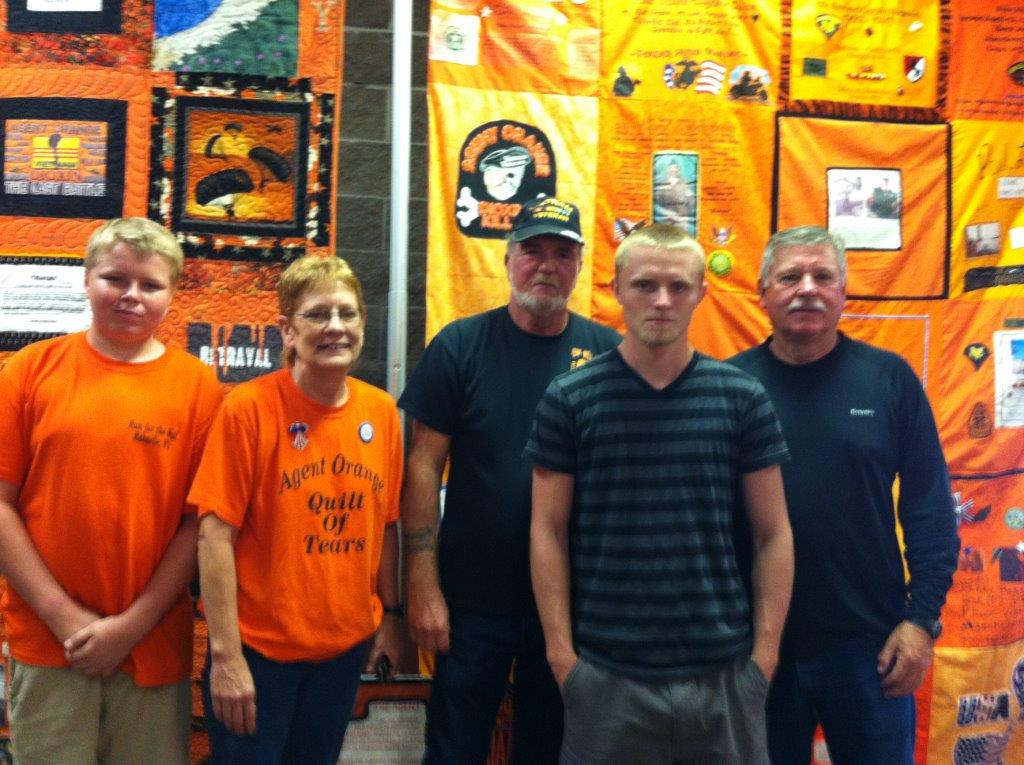
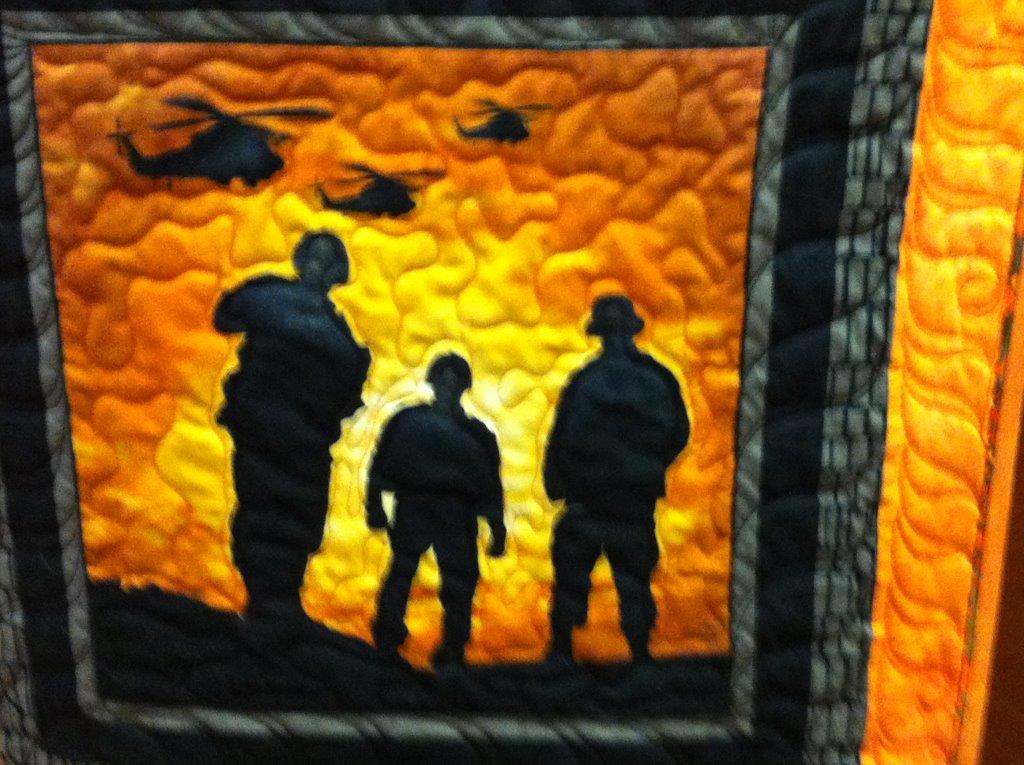
It was during our work in Hot Springs, SD with the American Legion and the “Honoring Our Heroes” event that we were able to view for the first time the “Quilt of Tears”. This is an unbelievable sea of orange fabrics with hundreds of patches depicting the stories of those Vietnam veterans and families who have suffered with the effects of Agent Orange.
Much of what is in this blog will be taken from a pamphlet I picked up at the quilt display. The quilt is being cared for, assembled, and driven across the United States by Shelia and Henry Snyder (amrdangel@aol.com).
Many veterans and their family members still do not know much about the effects of exposure to Agent Orange. An accurate number of casualties is “almost impossible to record due to various reasons, but the estimated number has been at 250,000 for quite a few years”, and the number grows every day. Even today, few Americans know that Agent Orange was a powerful herbicide used during the Vietnam War to deforest the jungle in order to set up base camps for our troops. Understanding the effects of Agent Orange on an individual is frightening. These powerful chemicals could literally take down a thick canopy of trees in a short few days. Think about, if it could destroy these huge trees in a matter of days — imagine what these chemicals could do to the fragile human body.
Exposure to Agent Orange can be fatal. Some of the diseases which are currently thought to be a result of these herbicides are Chloracne, Hodgkin’s Disease, Multiple Myeloma, Non-Hodgkin’s Lymphoma, Peripheral Neuropath, Porphyria cutanea tarda, Prostate Cancer, Respiratory Cancers, Soft-Tissue Sarcoma, Type II Diabetes, and illnesses and birth defects for the veteran’s children.
It is essential that veterans who have been exposed to Agent Orange get regular physicals complete with CAT Scans to detect the chemicals related to cancers. As with all diseases, early detection is critical to positive long-term outcomes.
The “Quilt of Tears” is a non-profit organization and relies solely on private donations. To learn more go to the website: www.agentorangequiltoftears.com. Individuals can get information on how they can create his or her own personal patch for the quilt at this site.
“Fear not my great soldier…for your story shall be passed down through the years because the fabric of your life is sewn into the Quilt of Tears.”
Jan
13
DREAM WITH ME
Filed Under Dream, Events, Healing, Hope, Life, PTSD, Tears, Tears of a Warrior, Trauma | Comments Off on DREAM WITH ME
by Janet J. Seahorn, Ph.D

It has been a very difficult past few months for many individuals and communities inAmerica. Between Hurricane Sandy destroying property and lives in the northeastern part of our country, to the incomprehensible tragedy in Connecticut. Too often we try to put words to these events, hoping to impart some small bit of insight, but they seem too shallow and futile.

At times, when the heart has felt so much suffering and inhumanity, the soul becomes a vacuum of despair. The challenge remains one of deep spiritual courage. The courage to believe in goodness instead of evil. The courage to awake each morning and keep going, knowing the struggle ahead still exits. And the courage to forgive, to hope, and to still love. Sometimes the best way to convey these staggering emotions is through music. For this reason I thought a song by the young singer, Jackie Evancho, may convey a message of hope for a New Year – far better than simply words.

In my imagination I see a right world
where everybody lives in peace and honesty
I dream of souls always free
like clouds which fly
full of humanity deep inside
In my imagination I see a clear world
the night is less dark over there
I dream of souls always free
like clouds which fly full of humanity
In the imagination there is a hot wind
which blows on cities, as a friend
I dream of souls always free
like clouds which fly
full of humanity deep inside
www.youtube.com/watch?v=HQF-l9NBtX8
In this coming New Year, may the words from Nella Fantasia come true.
So, Dream With Me.

Oct
31
STRENGTH OF SPOUSES
Filed Under Combat PTSD, Healing, Spouse, Stress, TBI & PTSD, Tears of a Warrior, Trauma, War | Comments Off on STRENGTH OF SPOUSES
by Janet J. Seahorn, Ph.D

In the past few years, I’ve written countless blogs on the strength and endurance of our veterans. However, the other side of that coin is the strength and endurance of their spouses. Several days ago we received an e-mail from a spouse who had heard about us and our book through an article that appeared as a Wyoming magazine article. She wrote about the challenges of married life with her veteran husband. A situation that became even more desperate after he suffered a traumatic brain injury (not from combat) that she wrote, “took him totally out of commission”. The e-mail went on to describe how other people did not see the depth of his many wounds, but she was faced with them daily enduring aggressive behaviors and foul language.
The injury occurred in 1998, but it was not until 2001 that the situation became too difficult to bear. I was his sole caregiver & therapist. When things got bad, I was the human standing in front of him as his anger came out.

… There were many days of not sleeping and warding off his craziness. In the first two years after his head injury, we almost lost the house twice. We literally lived in a wooden tent – the house was emptied out of furniture and appliances as the sheriff’s department kept impounding our possessions because we couldn’t pay our bills – possessions which ended up on the court house steps selling for $1. My daughter and I sought safe shelter six times in those two years to get away from him and his outbursts – the first time was on her 10th birthday.
One may think, wow, this sounds pretty darn extreme, yet, due to the lack of available resources in her area, obtaining services was nearly impossible. Her state of affairs is not unlike many of our returning military people and their families. Many spouses are drained of energy trying to keep their loved one out of jails and mental health institutions. What makes her story even more thought-provoking is her educational credentials, during all the turmoil she went back to school and obtained a Master’s degree in mental health. Yet, she has had to fight her own demons brought on by the many years of being exposed to an unpredictable and toxic home environment.
With her educational background she states, I have dissected trauma and I understand the roots of it more than most people.
And perhaps, her most profound statement,
Unfortunately, the war doesn’t stop when they come home. They never leave the ambush; it can haunt them for the rest of their lives. They are eventually removed from the war situation and are not confronted with that type of environment every day (other than their memories). Their spouses and children aren’t so lucky. They too have to live with the aftermath of war.
Thank you, Carol, for your introspective thoughts, your daily courage, and your persistence to keep going even when it would be easier to give up. You are certainly one of our country’s many amazing military spouse.
