BOOK PURCHASE: Discount (above) or PayPal (below)
Click "Buy Now" to continue to PayPal
Click to order eBook - Kindle

Click to order eBook - Nook

Mar
14
WHEN SUNFLOWERS DIE
Filed Under Events, Fear, Freedom, Holocaust, Hope, Military, Peace, PTSD, Soldier, Sunflower, Tears, Tears of a Warrior, Ukraine, United States of America, War | Comments Off on WHEN SUNFLOWERS DIE
-
By Janet J. Seahorn, Ph.D.
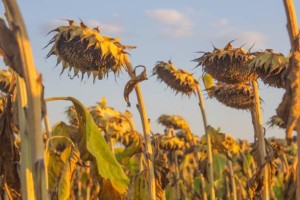
 Did you know that the flower of Ukraine is the sunflower, a flower that symbolizes joy, sunshine and hope? Right now, that special and resilient flower is dying by the hundreds in a land that has tried for several decades to embrace democracy and freedom.
 The world is watching as Putin, much like Hitler, is moving to expand his power and empire through the death and destruction of the Ukrainian people. He is not just destroying communities; he is destroying the very principles of a democratic state that its people have enjoyed and cherished. They are fighting an overwhelming challenging battle that is testing the very core of so many Ukrainian individuals. Each day I watch in awe of their courage and bravery, and I wonder how many of us in America often take our freedom – our very way of life – for granted.Democracy does not come easily. It is a demanding mistress that requires each of us to search for truth and not merely accept what social media and various news stations and personalities try to make us believe. It necessitates every person to do his/her part to stand up for what is right, what is decent, and what is for the good of our nation. We have only to watch Putin as he controls the airways telling the Russian people only what he wants them to hear, to know.
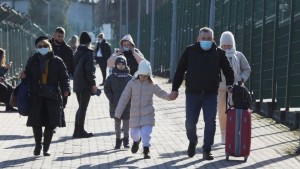 He tells them he is protecting them from a corrupt Ukrainian government and leader. His lies are much like those of Hitler, if he can make his countrymen afraid of something outside of Russia, he can lead them without much internal resistance. His war of destruction makes him even richer, but it is greater power that he most desires. Putin can’t afford to have a democratic country so close to his “kingdom”. It threatens his very existence or at least that is what he believes.
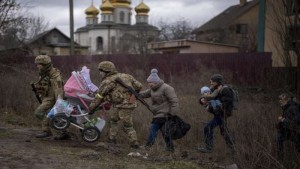 We see similar language in our country that provokes hate, spreads lies and ultimately incites distrust among our people. History has shown us time and again, a nation divided can be easily conquered.
 Unlike Ukraine it will not be outside forces that destroy our democracy; we will implode ourselves from within. Albert Einstein has a profound quote that I keep on my desk every day to remind me of what I need to examine and be brave enough to live; “If I were to remain silent, I’d be guilty of complicity.”As we watch, pray and grieve for the dying sunflowers, let us never forget that we are similarly summoned to strengthen and support our beautiful country least we lose our own freedoms and fragile democracy.
Dec
18
Tears and Blessings
Filed Under American Patriotism, Bless Our Troops, Blessings, Christmas, Grace, Grateful, Gratitude, Holiday Season, Homeless, Human Rights, Military, Peace, PTSD, Tears, Tears of a Warrior | Comments Off on Tears and Blessings
By Janet J. Seahorn, Ph.D.

It is a week before Christmas. I absolutely love this time of year. I love the bright lights and colorful ornaments. I love the smells of fir trees and cookies baking in the oven. I love the music reminding me of angels watching overhead, bright tomorrows and Silent Nights, and, for me, the coming of Christ. I love the taste of hot cider, pumpkin pie, and a multitude of holiday fare. Most of all, I love sharing time with family and friends – the hugs of love ones, and even strangers. Smiles, handshakes, a soft touch on a shoulder of a person who may just need to know that someone cares.

Yet, with all the things I love about this season, every year I find myself feeling choked up with both gratitude and tears. Gratitude for all the blessings I have been given and sadness for those who have so little. Perhaps this is the melancholy holiday seasons generate. Perhaps I see the Grinch in many faces, faces that may be suffering deeply from pain, loss, or simple loneliness. Perhaps, more than any wish is one for peace. A wish for true kindness and compassion. A wish that brings all of us together, united in understanding and gentleness.
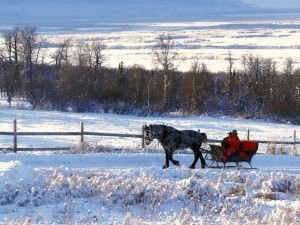
There is so much divisiveness this year in our world – a division that is tearing us apart and not just in our communities, our country, but the world. Love and compassion is what we have been taught from childhood. Let us not forget our early childhood lessons where we didn’t worry about what a person looked like, how much money they had, or what religion or political party they belonged. As small children, I believe we carried in our hearts the spiritual memory of where we came from.

Maybe this year, we can keep some tears from tumbling from our world’s eyes and hearts. Maybe this year we not only wish for peace on earth but emulate our prayers and wishes by doing what the Christmas song requests – Let There Be Peace on Earth and Let It Begin With Me. And maybe, when we have thoughts that aren’t aligned with this peace, perhaps we can change our thoughts and be more compassionate. Maybe, when we look at that person in need and offer a smile, a cup of warm drink, or something to eat.

And maybe, just maybe, even this one small act of kindness will generate a bigger sense of peace within ourselves, our communities, and our world. And maybe, just maybe, we will become closer to the model of that child born so long ago on that cold night with a bright star shining above his manger.

Merry Christmas, Happy Hanukah, Kwanza and blessing to all.

Nov
27
TRAUMA AND FIRST RESPONDERS
Filed Under Courage, Events, First Responders, Healing, Life, PTS, PTSD, Service Dogs, Stress, Tears of a Warrior, Trauma | Comments Off on TRAUMA AND FIRST RESPONDERS


By Janet J. Seahorn, Ph.D.
Two weeks ago Tony, Trooper, and I had the honor of being part of the annual Air Medical Transport Conference (AMTC) in Atlanta, Georgia. This conference was attended by pilots, flight crews, physicians, nurses and first responders from all over the world. The convention was filled with individuals who have given and continue to give much of their lives to saving and helping others. Many have served in the military, and many have been overseas in combat zones. To say they are an inspiration to our communities is an understatement. We were able to meet and talk with several individuals who shared their stories with such humility and purpose dedication. Like our military, these first responders serve their communities with courage and tenacity. They are with others at the most traumatic time of life. They comfort, attend to injuries, and all too many times are the last person a victim sees at the time of death.
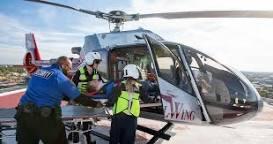
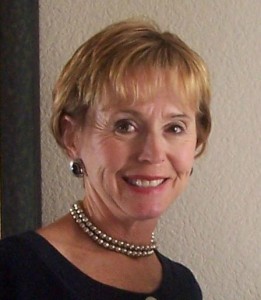
I was asked to be the keynote speaker for this amazing group. Of course, my presentation was on trauma and how it affects both our minds, bodies, and spirits. It was the first time a keynote speaker at this event was requested to speak on the topic of trauma and Post-Traumatic Stress (PTS). As in countless organizations, Post-Traumatic Stress is often the elephant in the room that most don’t want to discuss and sometimes even acknowledge. Its presence is seen and felt, yet, little is done to heal and attend to the many traumatic experiences our first responders deal with every day.

To say I was both incredibly nervous and honored to be the keynote is an underestimation of my concerns. I researched, practiced, and prayed for several months prior to the event hoping that the information in the keynote would make a difference to those attending.
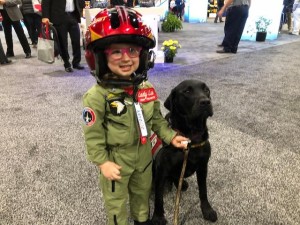
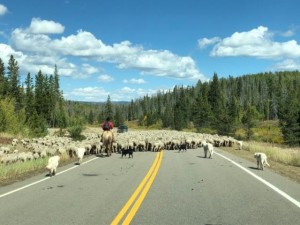
I used the analogy of a “sheepdog”. In September we were in Steamboat Springs, CO and watched a mixture of nine Border Collies, Great Pyrenees and Akbash sheepdogs meander behind their one-thousand herd/flock of sheep as they moved from summer range in the National Forest. These dogs are incredibly protective of their herd – keeping the herd together and fighting off predators at the peril of their own lives. They look so normal in their big, furry, white bodies, but make no mistake; they are ferocious in the task of watching over their sheep. Our first responders are like these sheepdogs. They protect, tend to, and put their lives at risk for their communities. The question I raised, just like with our military and veterans, who takes care of the sheepdogs?
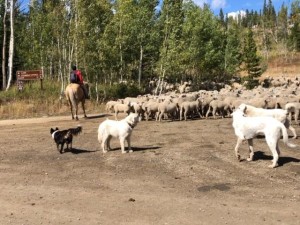

As a society, it is our duty to make sure those who take care of us are taken care of as well. They see, hear, touch, smell, and feel events that most of us will never encounter. The burdens they carry are too often only theirs and held in the silence of their minds and hearts. Like our military and veterans many believe that if they are traumatized by their experiences, they are somehow inadequate, less fearless, and not as capable of doing their jobs. This is totally inaccurate. One cannot function in a career of trauma without having some effects on his/her own well-being. In fact, this is what makes them more compassionate and effective at their jobs.
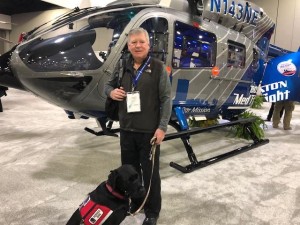
A few statistics I learned while doing my research:
- 34% of first responders have Post-Traumatic Stress;
- Barely half of first responders have had any training into how to deal with their own trauma;
- Much like our military, first responders have a much higher suicide rate than the average population;
- Female critical nurses in ICU and flight nurses are four times more likely to developed ovarian cancer than their peers;
These are just a few of the statistics that should make us all concerned and ready to share the responsibility of taking care of those who take care of us.
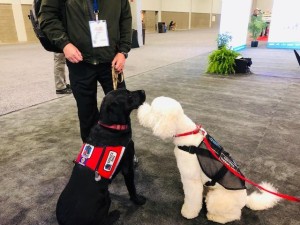
Just like our military and veterans – “If we send them, then we MUST mend them.”
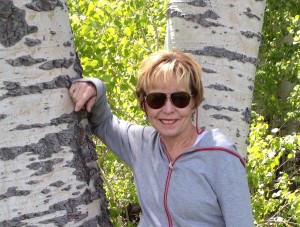
KEYNOTE SPEAKER:
Janet J. Seahorn, Ph.D.

Dr. Seahorn has been a classroom teacher and administrator for forty years. She has taught as an adjunct professor for Colorado State University and several universities in the Denver area. For the last ten years she has been teaching a class on Neuroscience and Learning at Colorado State University. Jan has a BA in English/Elementary Ed., an endorsement/license in middle school education and administration, a MA in Gifted and Talented, and a Ph.D. in Human Development and Organizational Systems. Her background includes an in-depth understanding of neuroscience research and effective instructional practices, organizational systems and change. She conducts numerous workshops on the Neuroscience of Learning & Memory Systems and the effects of “at-risk” stress environments on brain development.

Dr. Seahorn co-authored the award-winning book with her husband, Tears of a Warrior: A Family’s Story of Combat and Living With PTSD. The theme focus is on trauma and how it can impact the brain, body, and emotional development of an individual. Much of the research focused on Post-Traumatic Stress (PTS) and understanding how to identify and work with first responders and veterans who have experienced trauma and associated stress. She and her husband Tony work extensively with military personnel, veterans, first responders and families on how trauma impacts the brain. She also works with schools and communities on how trauma experienced in childhood through abuse, neglect, and other environmental conditions impact learning and behavior.
She has written two other books, When Crap Happens Grow Zucchini: A Book on How to Live with Dying and Appreciate the Crap
Foul Wisdom: Identifying the Turkeys and Eagles in your Organization and Life
A third illustrated book on her PTSD poem, Silent Scream, is currently in production.
Dr. Seahorn’s TED Talk on post-traumatic stress can be viewed on You tube: https://www.youtube.com/watch?v=BEHDQeIRTgs&feature=youtu.be
Janet and Tony have two adult sons, Chad and Christopher who enjoy living and working in the Rocky Mountain Region. Tony & Janet share their home with two Black Labradors, Trooper – a certified service dog, and Brody, a puppy being trained as a therapy dog to work in children’s court systems, hospitals, and schools. The family enjoys travel and outdoor activities: history, geography, hiking, fly-fishing, rafting, snow skiing and anything that puts them in touch with nature. Janet also volunteers with several animal shelters in Colorado.
Dec
28
GETTING THROUGH THE HOLIDAY SEASON
Filed Under American Patriotism, Bless Our Troops, Christmas, Events, Family, Happy New Year, Healing, Military, New Year, PTSD, Tears of a Warrior, Troops, Veterans, War | Comments Off on GETTING THROUGH THE HOLIDAY SEASON
Guest post by Lisa Drossert
The following was on one of our friend’s Facebook post. It is very thoughtful advice and may help some of you to get through the holiday season with better understanding of what is going on in some veterans’ mind. Thank you Lisa Drossart for sharing this information.

If you have a Combat Veteran in your family and you don’t like their moods and behavior around the holidays; please consider these six things:
1.) Your combat veteran has served in countries where people are blessed to receive a tattered pair of shoes or have clean water to drink; he/she no longer lives the “first world illusion” and no longer cares that if you buy one play station you can get a second one for fifty percent off. In fact, they find it hard to appreciate any of the gluttonous commercialism and overindulgence that permeates American holidays. Standing watch, boring as it was, had so much more purpose than going to the mall.
2.) Your Combat Veteran is thankful for the most basic things; not thankful for mega-sales and million dollar parades. They are thankful to be alive; thankful to have survived both the wars far away and the wars they struggle with inside.
3.) Your Combat Veteran is thankful that it wasn’t them that got killed, or wishes that it was them that got killed instead, or is torn painfully between the two. Either way, their celebrations are forever complicated by guilt and loss over those that did not come home. Some of the most thankful times in their life (lucky to be alive) were some of the scariest. Their feelings of thanks and celebration often conjure memories that are equally painful.
4.) Your Combat Veteran is not like you anymore. At some point, for some period of time, their entire life boiled down to just three simple things: when will I eat today, when will I sleep today, and who will I have to kill or who will try to kill me today? They are not like you anymore.
5.) Your Combat Veteran does not need a guilt-trip or a lecture; they already feel detached in their grief while others so easily embrace the joy of the season. They need understanding and space; empathy not sympathy.
6.) Your Combat Veteran does love his/her family and is thankful for the many blessings in their life…and they are thankful for you.

Mar
28
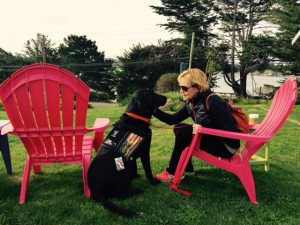
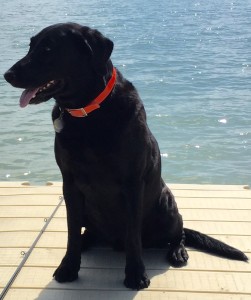
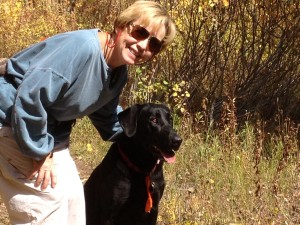
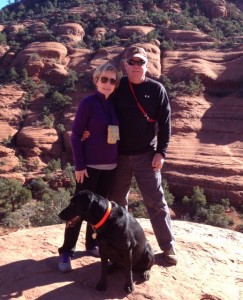
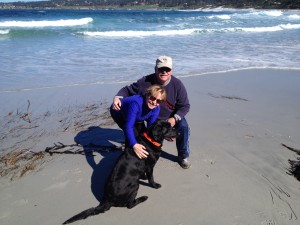
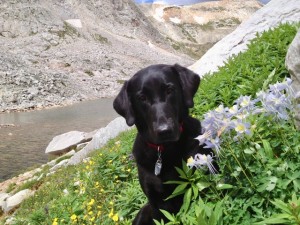
Missing Bailey
Filed Under Bailey, Dog is God, Dogs, Family, Happiness, Heroes, Hope, Joy Challenge, Life, Love, Pets, PTSD, Service Dogs, Tears, Tears of a Warrior, Tears of Joy, Veterans, War Dogs, Wounded Veterans, Wounded Warriors | Comments Off on Missing Bailey
By Janet J. Seahorn, Ph.D
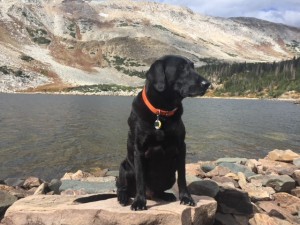

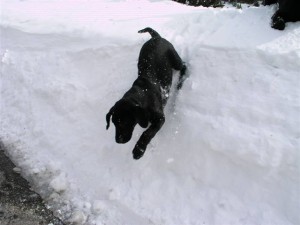
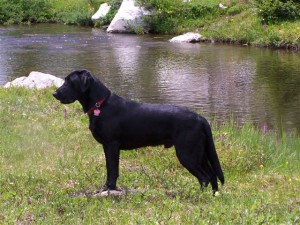
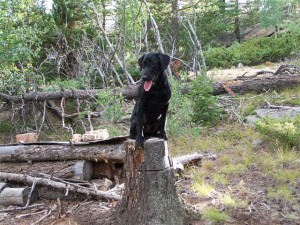
Mar
11
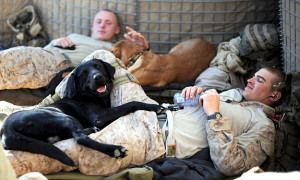
Best Friends
Filed Under Aging, American Patriotism, Combat PTSD, Dog is God, Dogs, Happiness, Healing, Military, Pets, PTSD, Service Dogs, TBI & PTSD, Tears of a Warrior, Tribute, Veterans, War, War Dogs, Wounded Warriors | Comments Off on Best Friends
Guest Blog by John DiCiacco
![41Q+ek-yDrL[1]](http://www.tearsofawarrior.com/wp-content/uploads/2018/03/41Qek-yDrL1-1-230x300.jpg)
Feb
25
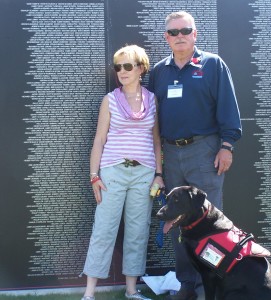
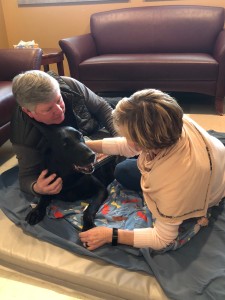
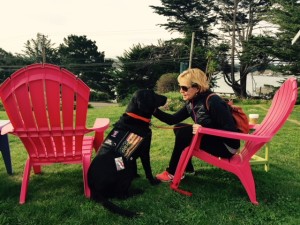
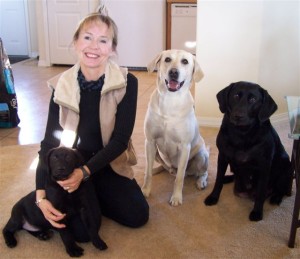
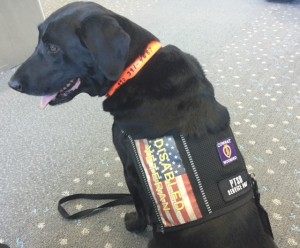
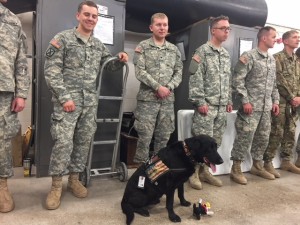
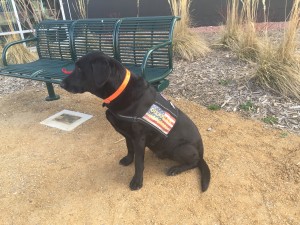
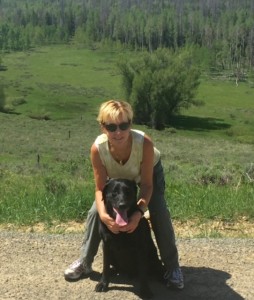
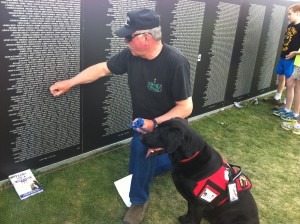
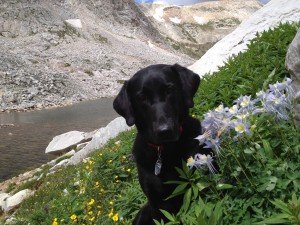
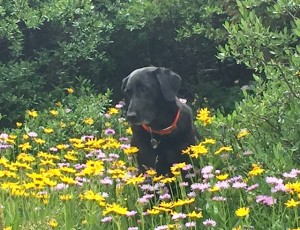
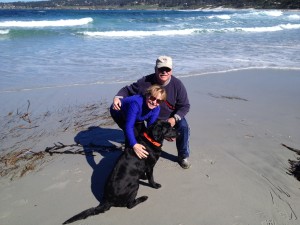
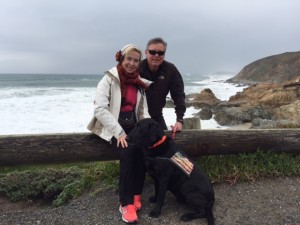
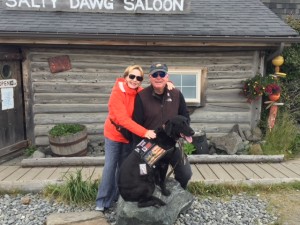
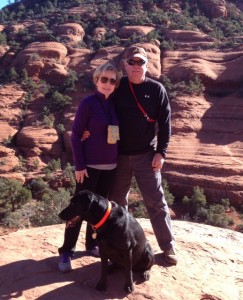
IN MEMORY OF HUNTER BAILEY
Filed Under Aging, American Patriotism, Bailey, Courage, Dog is God, Dogs, Family, Heroes, Love, Pets, PTSD, Service Dogs, Tears of a Warrior, Veterans, War Dogs, Wounded Warriors | Comments Off on IN MEMORY OF HUNTER BAILEY
by Janet J. Seahorn, Ph.D
HUNTER BAILEY of FARGO
11/29/2006 – 02/23/2018


Nov
7
5 Reason Why Veterans Need To Be Fishing
Filed Under Brain Injury, Combat PTSD, Dogs, Fishing Therapy, Military, Nature, PTSD, Service Dogs, Tears, Tears of a Warrior | Comments Off on 5 Reason Why Veterans Need To Be Fishing
Guest Blog by Jon Sutton
Author: Travis Pike
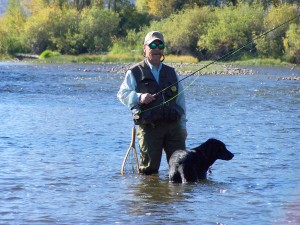
Veterans are a unique group of people who face a variety of unique challenges in their lives. As unique as veterans maybe they do share the ability to benefit from an activity as old as civilization. We call it fishing. Here are 5 reasons why Veterans need to get out there and fish more.
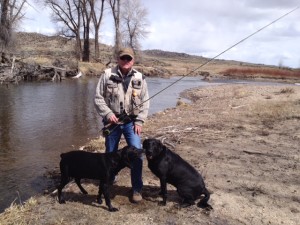
Getting Outside
Something as simple as getting outside and in nature can be a major benefit to your psyche and even your body. Getting outside doesn’t just mean walking out of your home, it means actually getting out in nature.
First, you get better air in the countryside than the city. There is no smoke, smog, or ground level ozone to worry about. As a veteran, you may have been exposed to harsh chemicals, and of course burn pits. Fresh air can help reduce the symptoms of most chronic respiratory illnesses.
You’ll also get a healthy dose of sunshine. Sunshine provides you with a blast of vitamin D, a vitamin associated with bone health. The average adult is likely vitamin D deficient, something I learned from my VA Doctor. A little sunshine can go a long way to long lasting health. That being said, don’t forget the sunscreen, you know what they say about too much of a good thing.
Getting Physical
PT it’s good for you and good for me. With almost 80% of the veteran population being obese a little PT can likely go a long way. Most people may think of fishing as sitting in a chair and drinking a beer, but they’d be wrong. There is a big difference in fishing and getting buzzed in a boat.

When you’re fishing you can be involved in any number of strenuous activities, including wading through water, paddling a kayak, and or hiking to a premier fishing location. That’s just to get to you to where you start fishing, from there you start working the shoulder and arms by casting over and over.
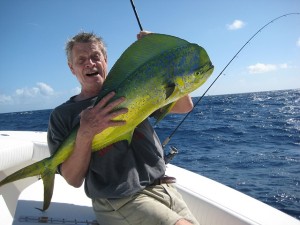
Plus, once you get a fish the cardiovascular activity starts as you fight that big boy to the boat or the shore. Watch any fishermen catch a keeper, and look how he sweats and struggles. It may not be as bad a Platoon Sergeant Death Run at 5 a.m. but it’ll get you huffing and puffing.

Relax a Little
Ah, greeting the great outdoors with a fishing pole in one hand a tackle box in the other is an amazing way to relax. Veterans on average face the stress of everyday life, and with a high percentage of veterans facing stress, depression, and anxiety the ability to relax is sacred. Heck, just talking on the phone with the VA is enough to drive you mad.
Fishing has shown to reduce cortisol, a hormone associated with stress by over 30% for up to a month. A study by the University of Maine showed fishing reduced anxiety, stress, fear, and guilt by a substantial amount for up to 3 weeks in combat veterans.
On top of everything fishing reduces, time in the sunshine has proven to release a chemical known as serotonin. The theory is that serotonin improves moods and triggers happy thoughts.
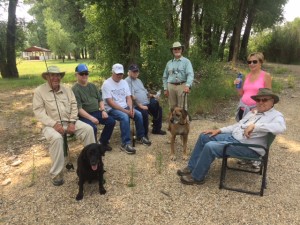
Keeps You Sharp
Young veterans face higher rates of TBI than the average population, which can result in reduced levels of cognitive ability. Let’s not forget that the Vietnam generation has reached an advanced age and with age often comes reduced cognitive function.
Fishing provides stimulation to the brain that engages a wide variety of different senses and forces fishers to use reasoning, and make logical assumptions. Fishing also boosts self-esteem and confidence.

Cause Fish are Delicious
Everyone loves good food, that’s true. This may not be specific to veterans because fish is delicious. Fish is also packed with protein and is low in calories and cholesterol. It’s also full of healthy fats, like Omega 3 acids that help with joint health. Any infantry veteran will tell you their joints suck, so they need all the help they can get.
Mar
26
GETTING UNSTUCK
Filed Under Black Lions, Combat PTSD, Courage, Events, Faith, Family, Healing, Hope, Journey, Love, Pain, Peace, PTSD, Return To Vietnam, Tears of a Warrior, Veterans, Vietnam Today, War | Comments Off on GETTING UNSTUCK
by Janet J. Seahorn, Ph.D
It isn’t easy to move forward in life when you seem trapped by events that happened in the past. Often times the harder you try to get unstuck, the more bound you become to that very past. So how does one resolve such a dilemma? It probably won’t be without effort, time, and even some painful moments.

In the book/movie, The Shack, the lead character is tormented by an unimaginable personal tragedy. No matter how hard he tries to move forward beyond his pain and horrendous memories, he can’t. Being caught in a terrible incident he is unable to see past his pain to the extent that very little joy or happiness can enter his life. In order to heal he is forced to go back to the place (the shack) where he got stuck; the place where the horror, the anguish, and the future was taken from him.

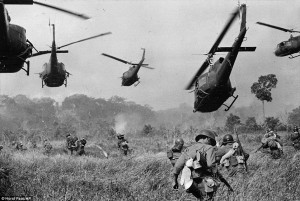
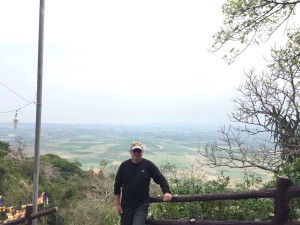
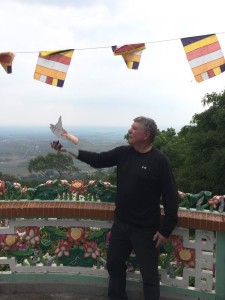
I think this is what Tony was doing when he decided to return to Vietnam. In order to heal more completely he made a choice to go back to the place where he became stuck, a space that over the last many decades unconsciously became his “shack”. Since his military service in Vietnam he has worked incredibly hard to move beyond the memories and the demons, but there were still times when the burden of combat obscured his vision and ability to live fully. As part of the healing process he had to exhume the old earth in order to plant and allow for new growth to occur. He will be explaining more in his future blogs.
Toward the end of the movie there was a beautiful metaphor about life. A truism that most of us already know…. life is not neat or precisely organized. It is messy, bumpy, and often unbalanced. Yet, it is this very assortment of messiness and disorder that make us who we are and who we can become if we are brave enough to return to our “shack” to become unstuck.
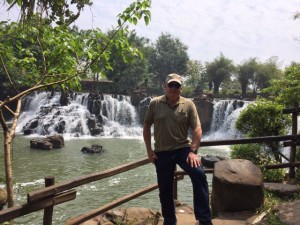
So what is your “shack”? What might you do to become “unstuck: (that doesn’t mean you have to physically return to a specific location to heal). Just know that this “becoming unstuck” will most likely not be easy, orderly, or without some deep potholes. It is a journey, like Tony, you may need to take alone. However, the reality is that you will not be totally on your own. Like Tony you will have the thoughts, prayers, and support of family and friends that will accompany you in spirit and hope.
Aug
25
VINCE THE PRINCE
Filed Under Courage, Faith, Fishing Therapy, Healing, Healing Waters, Journey, Life, Love, Military, Peace, PTSD, Rushing Wind, Tears of a Warrior, Wounded Warriors | Comments Off on VINCE THE PRINCE
By Janet J. Seahorn, Ph.D.

Once upon a time there was a very young boy who lived an incredibly difficult childhood. He was the oldest son of a family of five children – two younger sisters, one brother and a step brother. At eleven years old he became homeless, kicked out of his family by an abusive father. Drinking and beatings by his dad were endured on a regular basis. For five years he lived on the streets until he was old enough to join the army (1956-1965). Being of Navaho Indian decent, Vince the Prince was a fledgling warrior, and warriors always fight with perseverance and courage.

However, the trauma of his early childhood experiences followed him into the military. He was always in trouble, and believed he would get shot, knifed, or killed in prison. Life was pretty hopeless. Anger often consumed him, a normal coping mechanism many children of abuse use to mask their pain and unpredictable daily circumstances. But, Vince the Prince was a survivor, often called a “smart ass”. Being tough kept him alive, and being enraged kept him “feeling”.

How does a person ever survive such a life? According to Vince the Prince in 1970 he found faith in the spirit of the Lord, and this discovery saved him. Talking with him was pretty amazing as he could quote scriptures from the Bible better than most clergy. His personal commitment to the Lord handed him the hope that he lacked in his younger years and offered him a purpose in how he would live the rest of his life. In 1973 Vince was ordained as a street Evangelist. His parishioners were those confined to the jails and prisons in Chicago. He worked with the street people offering kindness, optimism, and faith. Having this new mission made him think of others before himself. He was no longer in the survivor mode, but in a vocation of serving those who, like him in his early years, were crushed by life experiences far beyond the control of a young boy. In 1983 he even completed his GED after having only a fifth grade education. Yep, pretty darn remarkable.
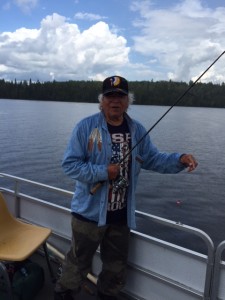
I asked him at the end of one of our conversations “What has been your greatest lesson?” His response, “No matter who or what you are, in God’s eyes you are precious.” And, ‘When all else fails turn to Jesus.”
Vince the Prince continues to work with young teens, many who are homeless like he was in his early years. Who better to understand their struggles, their fears, and their despair? Who better to provide a sense that no matter how dire your circumstances may seem there is always hope and that hope can lead to a miraculous future. Living life with purpose and a wicked sense of humor make Vince the Prince a very special human, indeed.
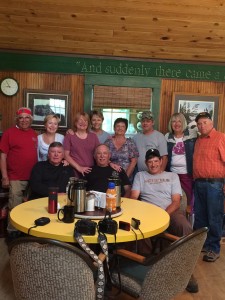
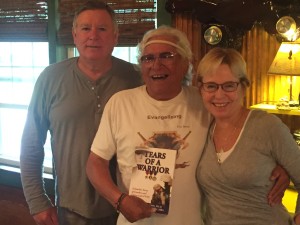
(I recently spent a week with Vince at a remote fishing camp in Canada called Rushing Wind. Tony and I were invited to work with veterans who have experienced the effects of combat and are finding ways to heal from the wounds of war.)

Listen peacefully to the wild call of the Loon.