BOOK PURCHASE: Discount (above) or PayPal (below)
Click "Buy Now" to continue to PayPal
Click to order eBook - Kindle

Click to order eBook - Nook

Jan
25
Forgetting Is Costly
Filed Under America, American Patriotism, Tears | Comments Off on Forgetting Is Costly
by Janet J. Seahorn, Ph.D
I think our nation has selective forgetfulness. So many of her people are choosing to forget the cost of freedom because so few have ever had to put their lives on the line to secure it. So many are choosing to forget the price of democracy because they have never had to experience anything other than this priceless gift of independence. So many are choosing to forget that a country that values democracy must first make sure that they elect leaders who have some higher moral code of decency such as – truth over lies, good over evil, unity over division, and hope over hate – just to name a few.
It seems like over the last few decades we as people in this great nation have turned our political affiliations into more of a sports game, ME vs.THEM… never US. If I control the playpen I will refuse to let anyone or anything in that doesn’t align with my limited beliefs. America and Americans in the past have been able to work together to consider the greater good. Leaders have been able to cross party lines and reflect on the WE versus ME. Now it seems if someone in the “control” party tries to cross the line and listen to the other side he/she is ridiculed, ostracized and often threatened with IMMPECHMENT. This is not how the democratic system works.
The old saying “A nation divided will fall” or “United we stand, divided we fall” are not just euphemisms they are accurate predictions of what happens when various parties become self-obsessed with their personal agendas without any real concern for protecting our constitution, our nation, our people. Are we really going to want and support a dictatorship where the person or party in charge can and certainly will do whatever they please to gain more power or resources? Unfortunately, I have read and heard too many say either “that won’t ever happen”, or “maybe that is what we really need”. These individuals have no idea what it means to live in a country that is run by a tyrant. If this is what you want then you must ask yourself when (and there will be a when) a different party or person is elected and wants to follow the same unhealthy authoritarianism. What will you have to say then because you will have already given permission for anyone and any party to force their mindsets on others the way it is being forced on others now.
Truly I could care less if a candidate is a Republican, Democrat or Independent – I have and will continue to support the person who is most qualified both morally and intellectually to run our country from small offices to major elections. I will refuse to back any person who puts him or herself above our democracy, our constitution.
Too many lives have been sacrificed, too much blood has been spilled to ever deem this is acceptable.
Nov
14
CROSSES, CROSSES EVERYWHERE
Filed Under Tears | Comments Off on CROSSES, CROSSES EVERYWHERE
CROSSES, CROSSES EVERYWHERE
By Janet J. Seahorn, Ph.D.
Crosses, crosses everywhere
Underneath cold grounds they bear.
Lives were taken way too young,
Silent voices, empty stares
Crosses, crosses, facing west
Toward their homelands mountain crests.
Long ago they faced a test
That left their fate their final rest
Mar
14
WHEN SUNFLOWERS DIE
Filed Under Events, Fear, Freedom, Holocaust, Hope, Military, Peace, PTSD, Soldier, Sunflower, Tears, Tears of a Warrior, Ukraine, United States of America, War | Comments Off on WHEN SUNFLOWERS DIE
-
By Janet J. Seahorn, Ph.D.
 Did you know that the flower of Ukraine is the sunflower, a flower that symbolizes joy, sunshine and hope? Right now, that special and resilient flower is dying by the hundreds in a land that has tried for several decades to embrace democracy and freedom.
 The world is watching as Putin, much like Hitler, is moving to expand his power and empire through the death and destruction of the Ukrainian people. He is not just destroying communities; he is destroying the very principles of a democratic state that its people have enjoyed and cherished. They are fighting an overwhelming challenging battle that is testing the very core of so many Ukrainian individuals. Each day I watch in awe of their courage and bravery, and I wonder how many of us in America often take our freedom – our very way of life – for granted.Democracy does not come easily. It is a demanding mistress that requires each of us to search for truth and not merely accept what social media and various news stations and personalities try to make us believe. It necessitates every person to do his/her part to stand up for what is right, what is decent, and what is for the good of our nation. We have only to watch Putin as he controls the airways telling the Russian people only what he wants them to hear, to know.
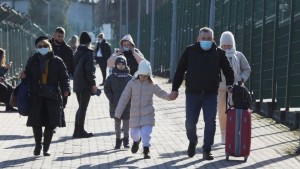 He tells them he is protecting them from a corrupt Ukrainian government and leader. His lies are much like those of Hitler, if he can make his countrymen afraid of something outside of Russia, he can lead them without much internal resistance. His war of destruction makes him even richer, but it is greater power that he most desires. Putin can’t afford to have a democratic country so close to his “kingdom”. It threatens his very existence or at least that is what he believes.
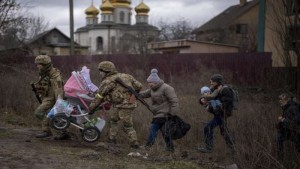 We see similar language in our country that provokes hate, spreads lies and ultimately incites distrust among our people. History has shown us time and again, a nation divided can be easily conquered.
 Unlike Ukraine it will not be outside forces that destroy our democracy; we will implode ourselves from within. Albert Einstein has a profound quote that I keep on my desk every day to remind me of what I need to examine and be brave enough to live; “If I were to remain silent, I’d be guilty of complicity.”As we watch, pray and grieve for the dying sunflowers, let us never forget that we are similarly summoned to strengthen and support our beautiful country least we lose our own freedoms and fragile democracy.
Jan
8
YES, VIRGINIA THERE STILL IS A UNITED STATES OF AMERICA
Filed Under America, American Patriotism, Blessings, Freedom, Gratitude, Happiness, Healing, Hope, New Year, Patriots, Peace, Tears, Tears of a Warrior, United States of America, Vote | Comments Off on YES, VIRGINIA THERE STILL IS A UNITED STATES OF AMERICA
By Janet J. Seahorn Ph.D.

It is the day after January 6, 2021 and I could not sleep no matter how hard I tried. The thoughts and experiences of this past year and then yesterday were way too vivid. Even though my family is in good health, the grief and turmoil that so many others have faced and continue to endure can be overwhelming. As a former teacher I worry greatly about all the children in our world and the adult issues they are facing only with the understanding of a young mind. It reminded me of the Christmas letter Virginia O’Hanlon wrote to The New York City Sun, a well read newspaper in 1897. This is my version as a result of a lack of sleep.
Dear Country,
I am an eight year old girl. Some of my friends say there is no longer a United States of America. They say that people are too divided and that we will never come together or agree on anything again. Since my parents state I can no longer rely on some newspapers or television people to tell me the truth I am asking that someone in our country, perhaps even our Supreme Court justices can give me an honest answer.
Yours truly, Virginia

Dear Virginia,
Your friends and even many adults are wrong. “They have been affected by the skepticism of a skeptical era.” They refuse to believe in truth, decency, and goodness even though they know in their hearts what is real or what is false. For some reason, Virginia, you and many of your friends are so much better at deciding truth and accepting each other for who you are rather than how much money you may have, what religion you belong to, or what political ideologies your parents adhere. Children don’t really care about these things as much as they care about kindness, compassion, and puppies. Many adults have lost their ability to ask questions, to seek what is genuine, to be brave in the challenge of uncertainty, and to trust in hope over fear. Most children are very smart at questioning everything, being brave, and trusting in things unseen like unicorns and angels.
Yes, Virginia, there is a United States of America. “It exists as certainly as love and generosity and devotion exist, and you know that they abound and give to your life its highest beauty and joy.” How discouraging and dangerous our world would be without a United United States of America. There would be no beacon of hope for other people in nations and countries without a strong democracy. There would be no faith that there exists in this world people and nations who value truth, integrity and acceptance of others and who believe all men and women are indeed created equal.

Not to believe in a United States of America would be giving up on peace, light and joy only to have us live in a world filled with hatred, doubt, and darkness. Not to believe in a United States of America would be to give up trying to understand others, only focus on the act of getting instead of giving. How sad it would be to stop forgiving and only hold on to bitterness. Not to believe in a United States of America would be to forget and dishonor the immense sacrifice so many men, women and families have given over countless wars so that we can be a country that honors the freedom to vote, the freedom to choose our leaders, and the freedom to honor our sacred commitment to equality.

Dear Virginia, in this world there is no greater gift than that of Freedom. No United United States of America would make sure we are no longer a truly great and strong country. No United States of America tells our enemies that we no longer care or stand for the ideals that our forefathers created in our Constitution. Most of all, no United States of America is totally unbearable because our country must always survive in order to ensure the best and most resilient life for you and your friends.
GOD bless you, Virginia, and GOD bless America.

Oct
21
FEAR IS CONTAGIOUS & SO IS HOPE
Filed Under COVID-19, Election, Fear, Grace, Gratitude, Happiness, Hope, Peace, Tears of a Warrior, Vote | Comments Off on FEAR IS CONTAGIOUS & SO IS HOPE
by Janet J. Seahorn, Ph.D.
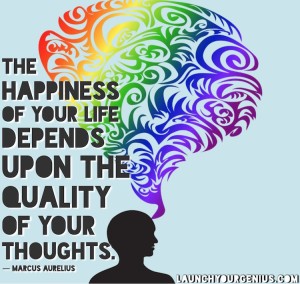
There is so much turmoil going on in our country and our world right now. It is hard to find one’s compass to guide us to our best self. Finding our way through the dark takes a great deal of soul searching, patience, and deep examination of our thoughts, beliefs, and values. I must admit over the last many months I have often questioned the direction we are all heading, and it scares me more than a little.

A few days ago, needing a change of scenery and a chance to get away from the toxic smoke of several wildfires in our area, my husband and I along with our two energetic black labs took a day trip up to the Snowy Range in southern Wyoming. While driving through Laramie I noticed two large billboards. One was of Malala Yousafzaui, the young Pakistan teenage girl shot by the Taliban because she was vocal about women’s education; the huge word COURAGE was the message. The second said, “FEAR IS CONTAGIOUS, SO IS HOPE”. Both got me thinking, what else is contagious? What else needs our courage?
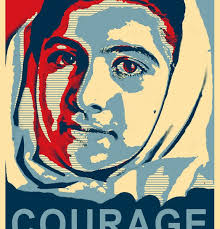
Joy, laughter and smiles are contagious and need courage to keep us going. Kindness, compassion, and generosity are contagious. Truth, unity, and goodness can be contagious but in these divisive times will take a great deal of courage. Courage among our leaders to be truthful. Unity to help heal a much divided nation, and Goodness – the goodness and courage it will take every second of every day to keep us grounded in what is important and focused on what is decent.

Protecting our environment will take an intense commitment to do what is right for future generations – even when we won’t be around to participate and hopefully enjoy. Speaking up when necessary and staying quiet when appropriate take courage and may help us not focus on creating more FEAR but growing more HOPE.


In a time when we are angrier and more divided than ever, what will it take to hold our families, our neighborhoods, our country, and ourselves together? It will take each of us holding a higher standard for ourselves and each other that goes far beyond political beliefs. If we are truly “One Nation Under God” or whoever one might call a higher spirit, we can’t merely say the words; we must ACT and LIVE the words.
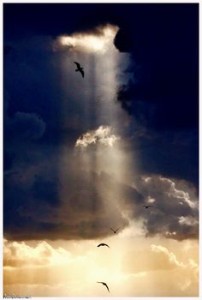
Yes, Fear truly is contagious, but for me, I will choose Hope, because this is not my United States of America, this is OUR United States of America.

Jul
26
THE RAINBOW CONNECTION
Filed Under Blessings, Coronavirus, Courage, COVID-19, Faith, Family, Grateful, Gratitude, Happiness, Healing, Hope, Peace, Tears, Tears of a Warrior, Tears of Joy, Veterans | Comments Off on THE RAINBOW CONNECTION
By Janet J. Seahorn, Ph.D.

How many of you remember the song, Rainbow Connection, by my favorite green frog, Mr. Kermit? In a time of necessary isolation and separation we need to work hard to find ways to connect to each other. Kermit’s song, Rainbow Connection, got me thinking about my own Rainbow Connection. Covid19 has attacked almost every part of our daily existence… our relationships, our jobs, our food sources, our medical care, schools – and the list seems endless. Struggling to maintain any semblance of our pre-covid lives can be exhausting. Grasping to stay attached to our family, friends, coworkers, neighbors can be an emotional combat zone.
During a storm the clouds gather, the skies darken, and often times the winds howl horrifically. Eventually rain falls, sometimes lightly and sometimes with the force of pelting water bullets that turn into huge hailstones. Yet, after the storm – if we are lucky and continue to look beyond the gale an amazing rainbow appears. The fractions of light bounce off each raindrop reflecting astonishing and breathtaking colors as a promise of the possibility for new beginning and fresh new starts.

Our tears can be a bit like these raindrops, but the various colors may only be seen in our own minds and hearts. We experience the colors of grief, of fear, loneliness and anxiety. However, there are also colors of hopefulness, courage, joy, love and clearer skies in the future. What lessons are we learning about each other? Ourselves? Are we able to see ALL of the rainbow or only a small part?
The other day I came across a quote by Haruki Murakami,
“When you come out of the storm you won’t be the same person who walked in. That’s what this storm’s all about.”
In the song, Kermit talks about being a Lover, a Dreamer, and Me… and the voices calling your name. Perhaps these new voices are what you hear after or even during the storm. Are you listening? There is magic in rainbows and we can, if we choose, linger under the glorious and colorful spell of its Vision. If we look for what may be on the other side, perhaps we can keep that Lover, that Dreamer in us and connect it to others. Perhaps we are that Rainbow Connection and we are a bit better after the storm than before we went into it.
May
11
TRAUMA AND GROWING BRAVE
Filed Under Coronavirus, Courage, COVID-19, Grateful, Gratitude, Happiness, Hospital, Tears, Tears of a Warrior | Comments Off on TRAUMA AND GROWING BRAVE
By Janet J. Seahorn, Ph.D.

A few weeks ago I wrote a short article on “You Can’t Quarantine Joy”. Little did I know a few weeks later those words would need to not just be remembered but practiced. They would haunt and humble me. You see, I ended up back in the hospital after several ER visits. Luckily I only had pneumonia… Ha, Ha…. Only pneumonia and other “stuff” they couldn’t diagnosis. When first admitted I had to spend several hours on the coronavirus ward waiting for my tests results to show that I was safe to be transferred to a “normal” room. The doctors and nurses were in their protective gear. The room’s window had been sealed off with a special fan attached that allowed no outside pathogens to escape to the outside environment.

After being transferred to the “safer” ward, I had days to think about my situation and the state of the world. Watching TV was not an option. The news was too grim. My grandmother used to say “an idle mind is the devil’s workshop”. It isn’t – it’s more like Dante’s Inferno. The mind takes you to places you absolutely don’t want to visit. It took every ounce of my energy to try and keep a positive mindset, count my blessings and maintain some form of emotional stability as my body was far from feeling positive.

For those out there, both patient and supporters, here are some things to understand, to consider. First trauma does some interesting things to the mind and body. It changes you whether you want it to or not. Like a teapot that is designed to let off steam when the water in the pot becomes too hot – we are built in a similar way. When we get too overwhelmed we need time and space to let out some steam. We need space to scream, shout, cry uncontrollably. We need our own inner self to process what we’ve been through, to grieve our physical losses and our emotional sufferings. The energy it requires to constantly stay upbeat takes its toll and becomes crushing. We need moments to recognize and acknowledge that we’ve been through something horrible and we had to do it alone… in a lonely hospital room with no loved one by our side.

Therefore, wonderful and loving supporters don’t try to talk a suffering soul out of his/her trauma. It is their journey to process it, to deal with the grief and horror of it, to move forward. Please don’t say to the suffering “you’ve got to stay positive… you’ve got to count your blessings….” Do you think for a moment that we don’t know this, that we aren’t already doing this? Trust me, we would be happy to have amnesia, wave a magic wand and make all the crap disappear. Those words of support only make many of us feel guilty, weak, and ashamed to have these feelings. It’s absolutely exhausting to pretend we are great just because we survived. Give your loved one the gift of a few minutes each day to just BE. To understand and accept what we’ve been through. Many of us choose to do this in private, in the quiet of our own thoughts and hearts. What we need from you is trust. Trust we will get through what we need to get through. Trust that weeping and screaming are just a part of our wounded body and spirit’s healing process. Recognize that part of the trauma may always be a part of us, of our life experience. Trust we will be OK. You don’t have to talk us through anything. We just need you to be present, to listen, to hold our hand. Probst once said, “We do not receive wisdom, we discover wisdom within ourselves only after a journey that no one can take for us or with us.”

For all of us, remember we are stronger than we think. We grow braver through our challenges. We become more compassionate, more grateful, again, not because of what we may have lost but because of what we have endured and learned. It is good to be like that teapot, knowing we can let off steam when needed and the infusion of our tea tears become sweeter, more poignant.
And through our trauma, we do grow braver.
Thank you to all of our first responders, medical personnel, people keeping our grocery stores open and many others. There aren’t enough words to express the difference you are making every day.

May
6
FACTS NOT FEAR
Filed Under Coronavirus, COVID-19, Gratitude, Healing, Tears of a Warrior | Comments Off on FACTS NOT FEAR
By Janet J. Seahorn, Ph.D.

By now everyone reading this blog has heard of Coronavirus or COVID-19. We have seen a huge amount of information that has bombarded our airways, newspapers, businesses, and neighborhoods over the last months. Listening to the news, hearing the concern in many people’s voices led me to address this situation in our blog. Therefore, it is incredibly important to be cautious in determining FACT vs. FEAR.
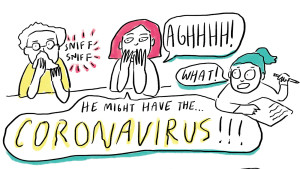
The only measure that I use to determine the difference is to read, listen and see the information in several different sources… not just relying on the newspaper, the television, even the government or doctors. If varied sources report the information in a clear and decisive way and I can collaborate the evidence through multiple sources then that data can go into my FACT jar. Some information is so slanted or aligned with radical conspiracy theory, I know it isn’t accurate or is being used to promote a personal agenda.

This is definitely not a time for blame. Things happen in life that are unpredictable and scary and certainly blame does not solve the problem. Blame only keeps us from addressing reality and the root cause of the problem. Because the COVID-19 is new, we don’t have enough solid knowledge about what it is, how it is transmitted, how long it will last or how it can be successfully treated. As a researcher, the only way we will get this information is through time, watching, listening, making comparisons with various groups, countries, and medical personnel to determine how best to combat this illness. As humans we don’t like NOT KNOWING everything about what is dangerous. We often make things up just so we feel comfortable or empowered. Not a good strategy at all.
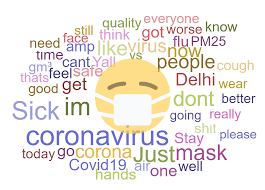
In early January I became very ill due to a severe reaction to an infusion I was being administered for pain. It literally tanked my immune system. I have had a sore throat and laryngitis for over seven weeks (think my husband and dogs are using this as an excuse for not “hearing” me). I have had more doctor appointments than I want to count including a stay in the hospital and ICU because I became dehydrated and my blood pressure became dangerously low. I am definitely in that “high risk” group due to having a very low immune system. Even with this risk I am not panicked. I have a healthy concern to be aware of when and where I go every day, but I refuse to not see each day as a gift to enjoy and use.

On my computer I have had two sayings for the last many years:
“I don’t want to not live in fear of what could happen.” Laird Hamilton
FEAR – False Expectations Appearing Real… Meet fear with love and trust and it will disappear. Old Crone Cards
It is important to remember this illness is not an American, Chinese, Italian or other country’s problem, it is a world problem. When we work together, when we show kindness and compassion to others, when we do whatever we can to support our neighbors and community, then and only then will we be able to move forward with confidence and courage to get through this period of unrest and anxiety.

Stay healthy, both physically and emotionally.

Mar
31
YOU CAN’T QUARANTINE JOY
Filed Under Coronavirus, COVID-19, Grace, Grateful, Gratitude, Happiness, Healing, Hope, Joy Challenge, Love, Tears, Tears of a Warrior, Tears of Joy | Comments Off on YOU CAN’T QUARANTINE JOY
By Janet J. Seahorn, Ph.D.
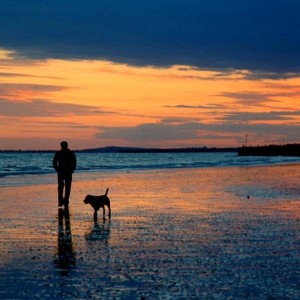
Several days ago, while watching the endless news about coronavirus I heard a newscaster say something that has stuck with me, “You can’t quarantine tears”. As I thought about this, even when trying to go to sleep and find some semblance of rest during these challenging times, the words kept playing over and over again in my head, “You can’t quarantine tears”. He was absolutely right, you can’t. We can’t quarantine suffering either. Never have and probably never will. We can’t quarantine fear. Fear mainly of the unknown which is far greater than fear of the known. Fear of the known we can see more clearly, put boundaries around, perhaps contain to some degree. But fear of the unknown has an unlimited projectile. It can go on in endless ways and directions. Places that only our unlimited imagination can invent or conceive.

However, the more I thought about these words I realized if we can’t quarantine any of these frightening things, than certainly we can’t quarantine some of the more positive behaviors as well. We can’t quarantine hope. We can’t quarantine kindness. We can’t quarantine love. We can’t quarantine courage. And, just as important, we can’t quarantine joy. So often, we say to ourselves once this virus situation is over, I can go back to being happy, to being joyful. Yet, that is not how the world works. We must choose these behaviors just as we must choose to contain the scary ones. Practicing joy is an exercise in gratitude. Waking up each morning and seeing a beautiful sunrise. Being greeted by two overjoyed, four-legged children whose exuberance in seeing you almost drops you to the ground by their seventy pounds of pure energy. They emulate joyfulness at its fullest. Getting a phone call or text from a family member or friend to remind us that someone is thinking about us each day is joy. Seeing the first signs of spring – green sprouts of grass, daffodils, budding trees, these are all signs of hope, of new beginnings, of joy.
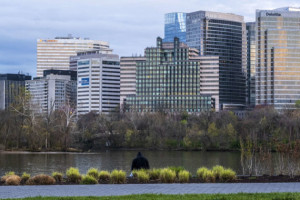
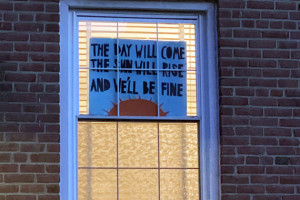
Just as it is true that we can’t quarantine all the horrible things that occur some days, we can’t quarantine the good either. Yet, quarantining the good, the joy, the hope, the kindness… these take more effort and conscious thought. And just as there was a beginning of this coronavirus, there will eventually be an end. There will be a new beginning where people can gather without fear. Where families and love ones can hug each other with even more joy and gratitude than ever before because we now don’t take for granted what was given to us each and every day. This new beginning will offer us greater gratitude in our work, whatever it is, in being able to doing something, anything other than sitting at home, sometimes alone and scared. This new beginning will show us how much we took for granted in the past without ever noticing the gifts right in front of us. As we go forward each day, remember not what we have lost – at least for the time being – but what we have always had and hopefully will have again. Remember to practice hope, kindness, courage, love, and compassion. And, remember, if we choose, we can’t quarantine any of these behaviors and we WON’T quarantine JOY.

Dec
18
Tears and Blessings
Filed Under American Patriotism, Bless Our Troops, Blessings, Christmas, Grace, Grateful, Gratitude, Holiday Season, Homeless, Human Rights, Military, Peace, PTSD, Tears, Tears of a Warrior | Comments Off on Tears and Blessings
By Janet J. Seahorn, Ph.D.

It is a week before Christmas. I absolutely love this time of year. I love the bright lights and colorful ornaments. I love the smells of fir trees and cookies baking in the oven. I love the music reminding me of angels watching overhead, bright tomorrows and Silent Nights, and, for me, the coming of Christ. I love the taste of hot cider, pumpkin pie, and a multitude of holiday fare. Most of all, I love sharing time with family and friends – the hugs of love ones, and even strangers. Smiles, handshakes, a soft touch on a shoulder of a person who may just need to know that someone cares.

Yet, with all the things I love about this season, every year I find myself feeling choked up with both gratitude and tears. Gratitude for all the blessings I have been given and sadness for those who have so little. Perhaps this is the melancholy holiday seasons generate. Perhaps I see the Grinch in many faces, faces that may be suffering deeply from pain, loss, or simple loneliness. Perhaps, more than any wish is one for peace. A wish for true kindness and compassion. A wish that brings all of us together, united in understanding and gentleness.
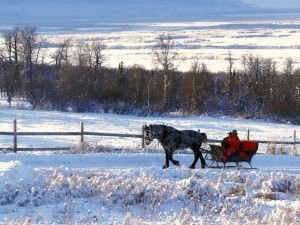
There is so much divisiveness this year in our world – a division that is tearing us apart and not just in our communities, our country, but the world. Love and compassion is what we have been taught from childhood. Let us not forget our early childhood lessons where we didn’t worry about what a person looked like, how much money they had, or what religion or political party they belonged. As small children, I believe we carried in our hearts the spiritual memory of where we came from.

Maybe this year, we can keep some tears from tumbling from our world’s eyes and hearts. Maybe this year we not only wish for peace on earth but emulate our prayers and wishes by doing what the Christmas song requests – Let There Be Peace on Earth and Let It Begin With Me. And maybe, when we have thoughts that aren’t aligned with this peace, perhaps we can change our thoughts and be more compassionate. Maybe, when we look at that person in need and offer a smile, a cup of warm drink, or something to eat.

And maybe, just maybe, even this one small act of kindness will generate a bigger sense of peace within ourselves, our communities, and our world. And maybe, just maybe, we will become closer to the model of that child born so long ago on that cold night with a bright star shining above his manger.

Merry Christmas, Happy Hanukah, Kwanza and blessing to all.